Israeli expedition to Kyrgyzstan 2018
Kyrgyzstan
Unlike the Eastern European countries that were conquered by Russia in the Second World War, Kyrgyzstan invited Russia to rule it, and the respect and longing for the Russians who brought progress and order with them are clearly evident. Statues of Lenin still stand in squares and pictures of Stalin still hang in living rooms. Bishkek, although it is the largest city in Kyrgyzstan with a population approaching a million, gives the feeling of a sleepy town rather than a capital city. It has no skyscrapers, no crowding and traffic flows without jams. Kyrgyzstan is a Muslim country, but progress and tradition live side by side in it without noticeable conflict.
A call from the international caving organization
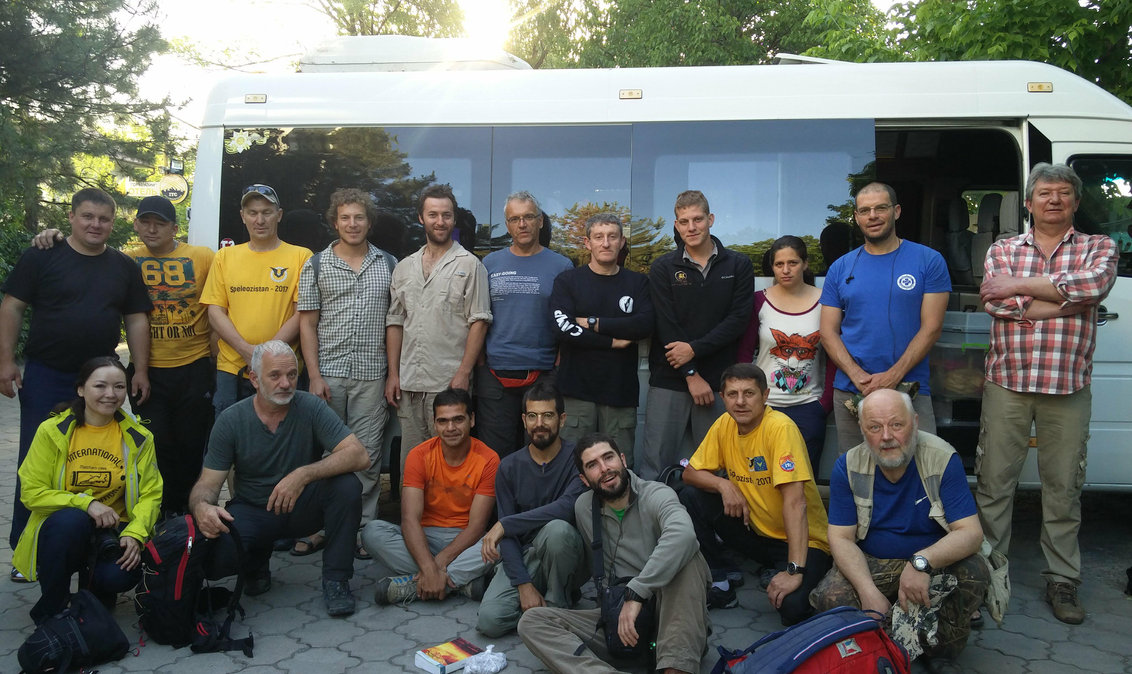
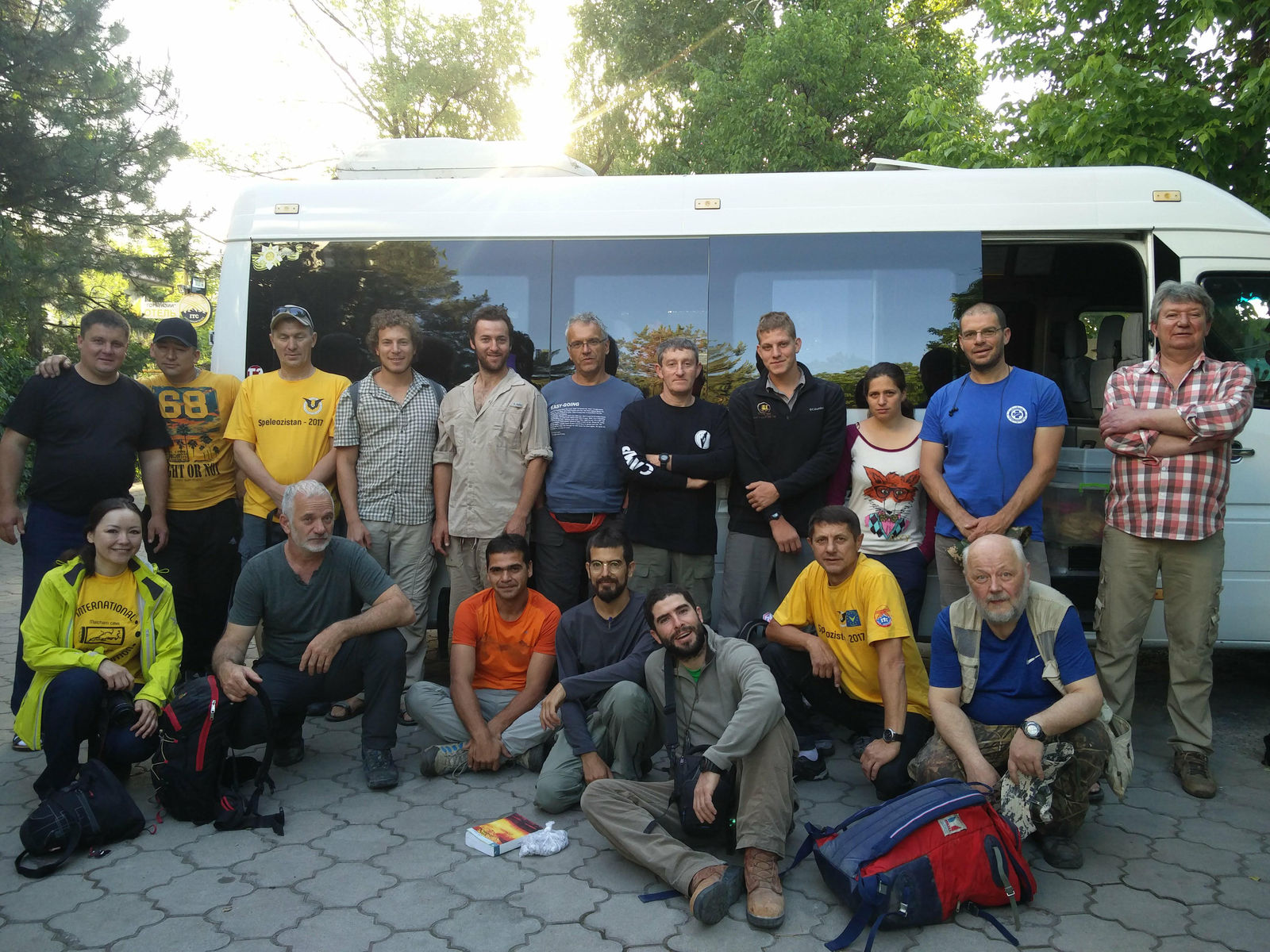
A year earlier we started organizing and planning the expedition. The goal: exploration and survey in remote areas of Kyrgyzstan that have the potential to hold deep caves. In the past Israeli teams joined international expeditions, but a full Israeli expedition had never gone out independently on such a mission. We recruited a team of 11 speleologists made up of several members of the Cave Research Center and several members of the Israel Cave Explorers Club.
With the Kyrgyz we chose two survey areas -
- The Chatkal range - in western Kyrgyzstan, near the Uzbek border, considered one of the most remote and hard-to-reach areas in Kyrgyzstan. Because it is so remote, the information about it is very scarce. The summit of the Chatkal reaches a height of 4500 meters above sea level and the range is made of pointed, snow-covered peaks from which huge, upright cliffs plunge, between which deep canyons cut.
- Mount Buzbu Too, which is about halfway between Bishkek and Chatkal. Buzbu Too rises to a height of 2900 meters, about 1800 meters above the town of Kreben in the valley at its foot. It is made of massive, well-bedded limestone, excellent rock for the development of caves. It is high and towers over its surroundings, its slopes are covered with dense subtropical forest and it is cut by deep canyons, at least one of which is fed by a waterfall bursting out of the rock.
The expedition begins work
After all the equipment was loaded onto the vehicles we set out. The landscapes flashed by. Chains of snow-covered mountains, wide green valleys, rushing rivers, winding roads, smoke-filled tunnels. From time to time we stopped to stretch our bones and for a light meal, and after two very long and tiring days in which we crossed western Kyrgyzstan almost to the Uzbek border we set up base camp in a grove of poplar trees on the bank of the Chatkal river at an altitude of 2000 m near the village of каныш кыя (Kanysh Kyya).
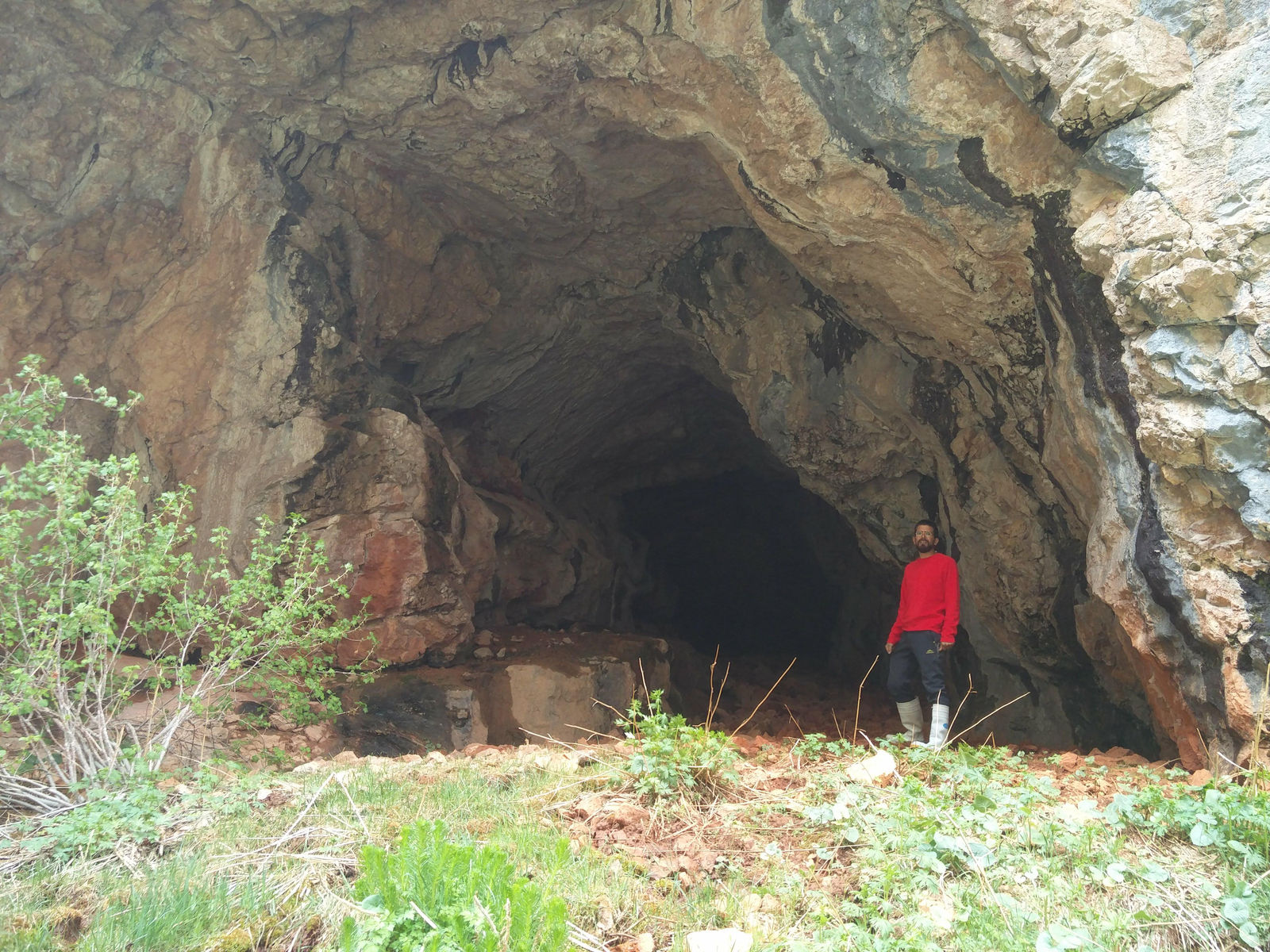
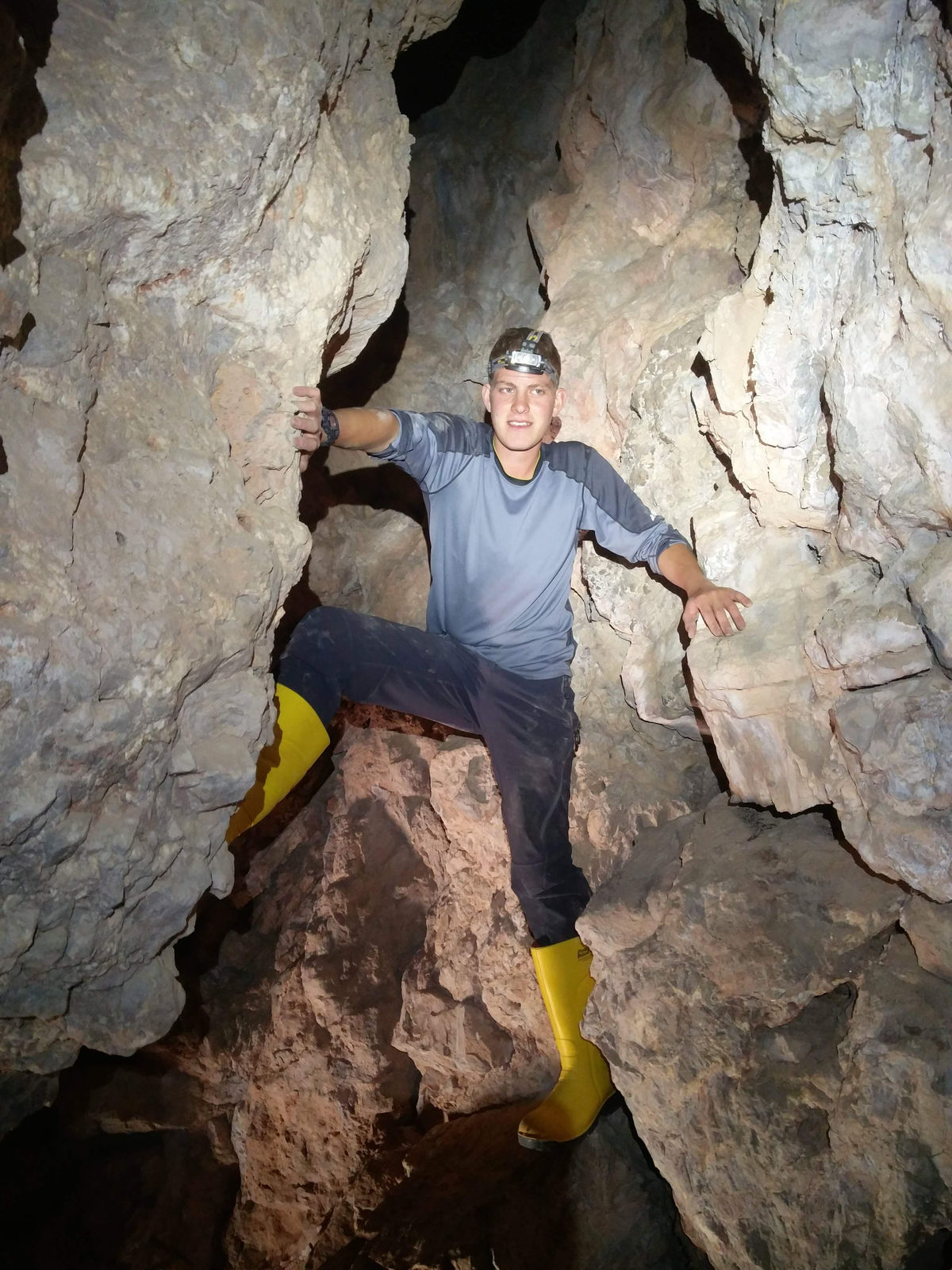
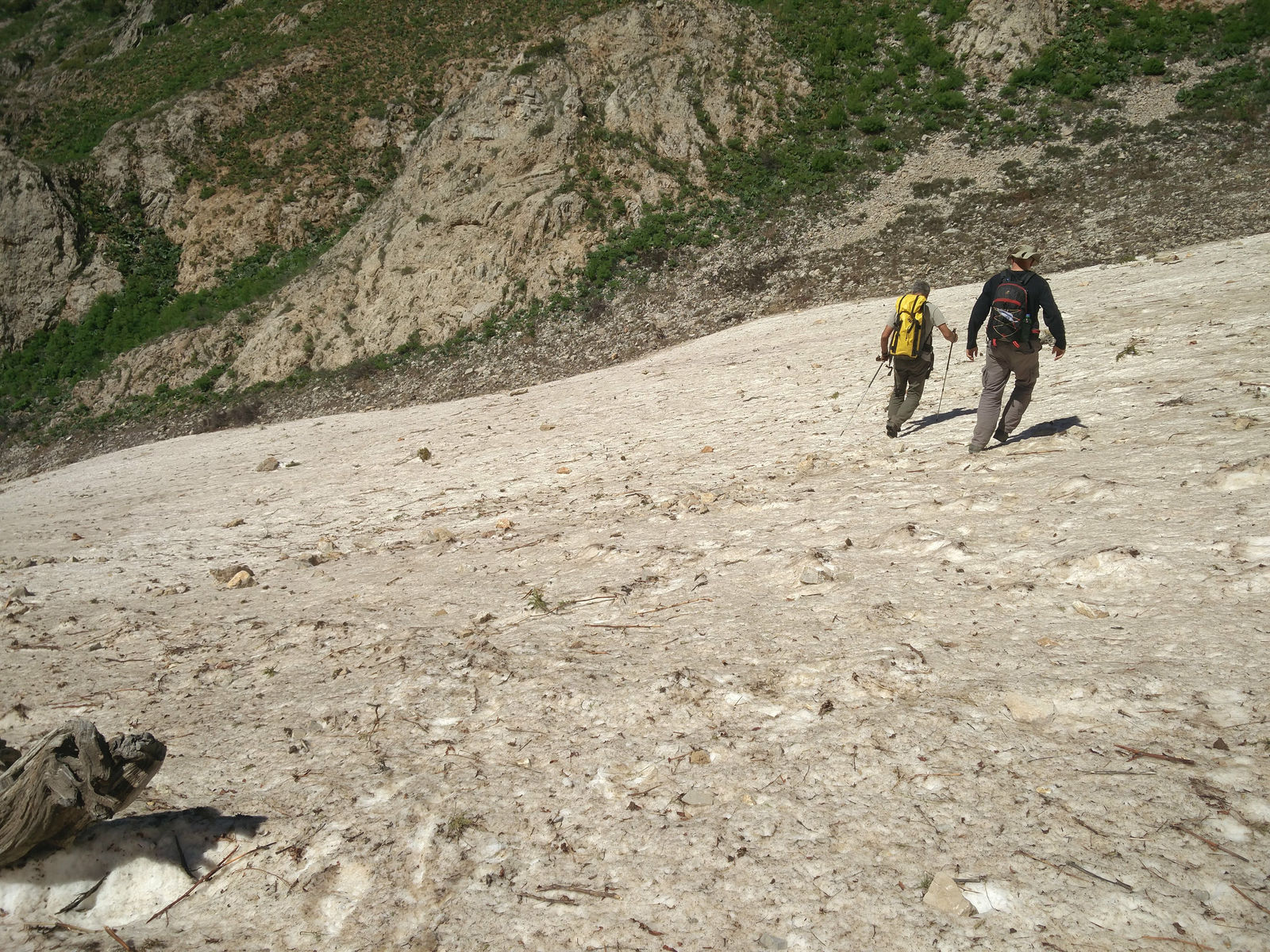
We decided to try to explore the steep slopes and gullies close to the camp in order to get a feel for the terrain and see what it had to offer. We split into 4 teams of 2-3 people and set out early in the morning. The sun smiled on us and the weather was excellent. Motivation was at its peak. We climbed the steep slopes and the furrowed gullies, and unfortunately we quickly discovered that the area is very poor in caves. The few caves we found were actually widened cracks and not caves by definition.
The next day we tried the other side of the valley but here too the few caves we found were small. In addition the steep slopes, the glaciers, the huge cliffs and the differences in elevation prevented us from managing to reach the plateau located at 4000, and after deliberation we decided to move the camp 50 km north, higher up the valley, to try our luck in another area.
Moving north. Renewed hope?
We split again into four teams: a canyon team, a second team that would climb to the plateau via a saddle at 3500 m, a third team that would try to reach a wide valley with a lake in its center, and the last team would go and check a number of points we had collected from questioning locals.
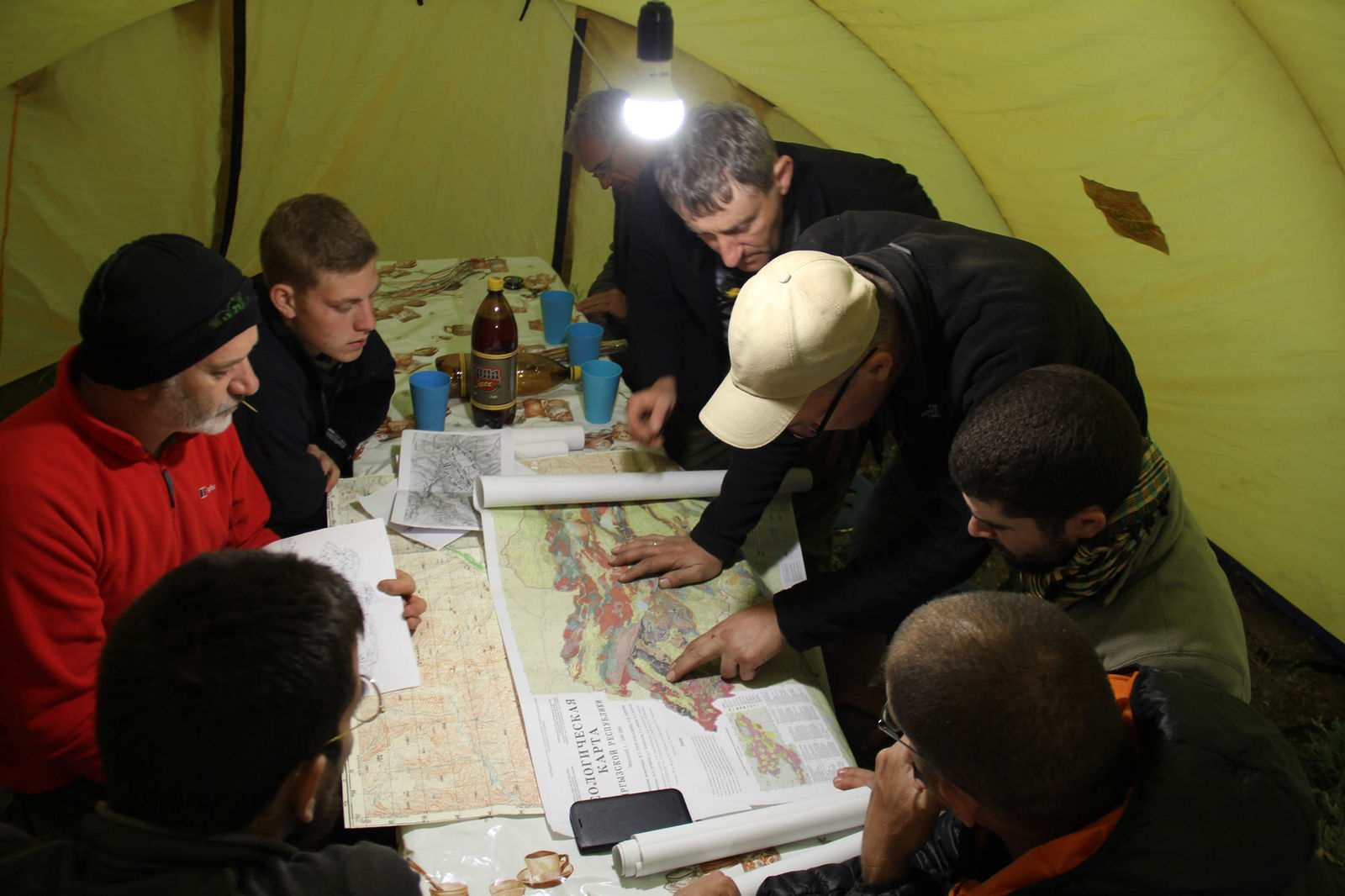
The next day the weather again smiled on us. As usual we all gathered in the expedition tent for breakfast and to prepare the equipment for the day's missions. After discussion we decided that today would be the day that tips the scales. If there was no significant breakthrough we would have to leave the Chatkal area with a heavy heart and try our luck in the alternative area.
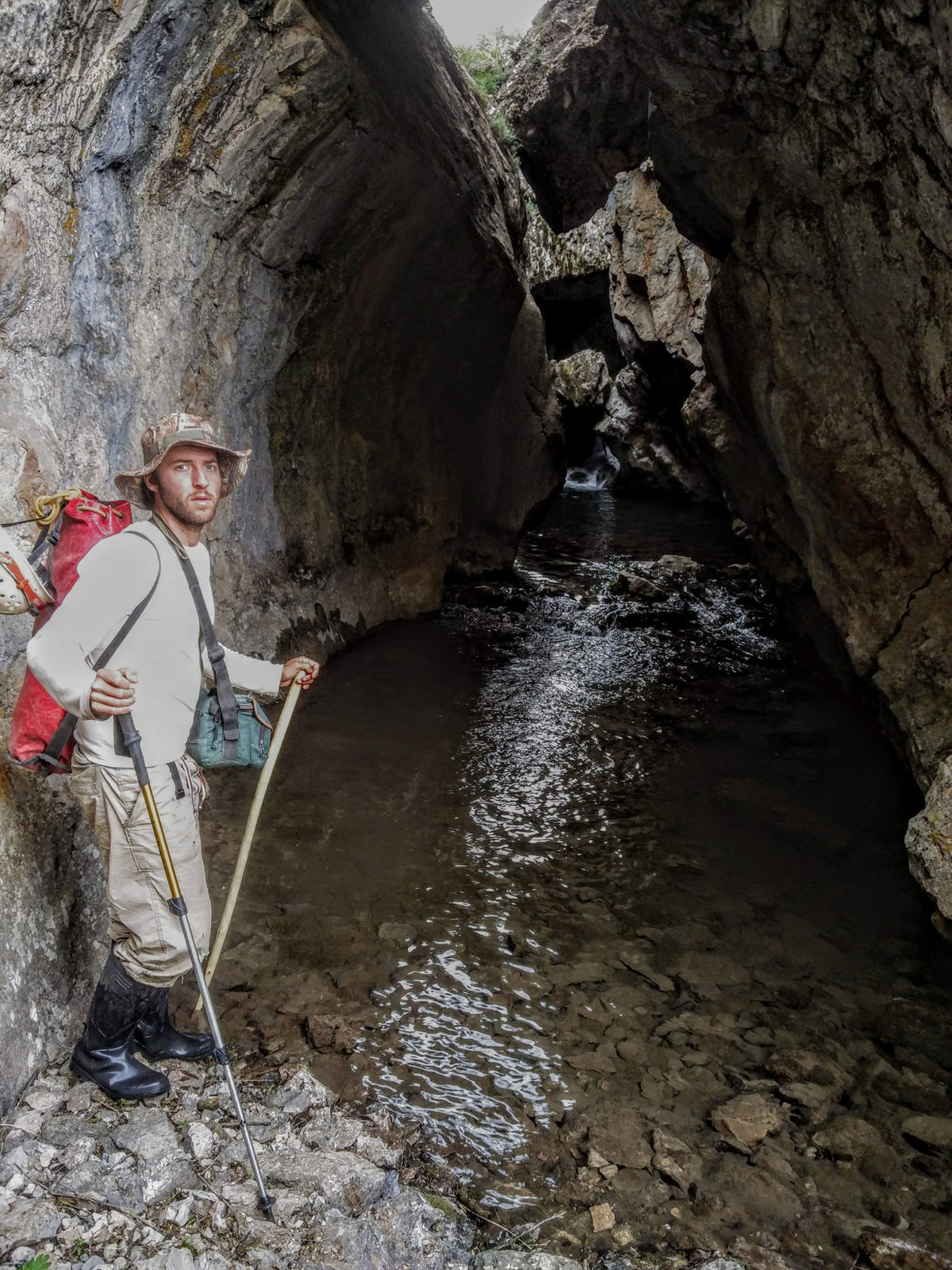
We started with the canyon - it is without doubt one of the most spectacular canyons I have seen in my life. Its source was a narrow gorge on top of which rested huge boulders that made it almost a cave. Water flowed in the narrow gorge, fed from a lake that collected the water of the upper part of the canyon right above the gorge.
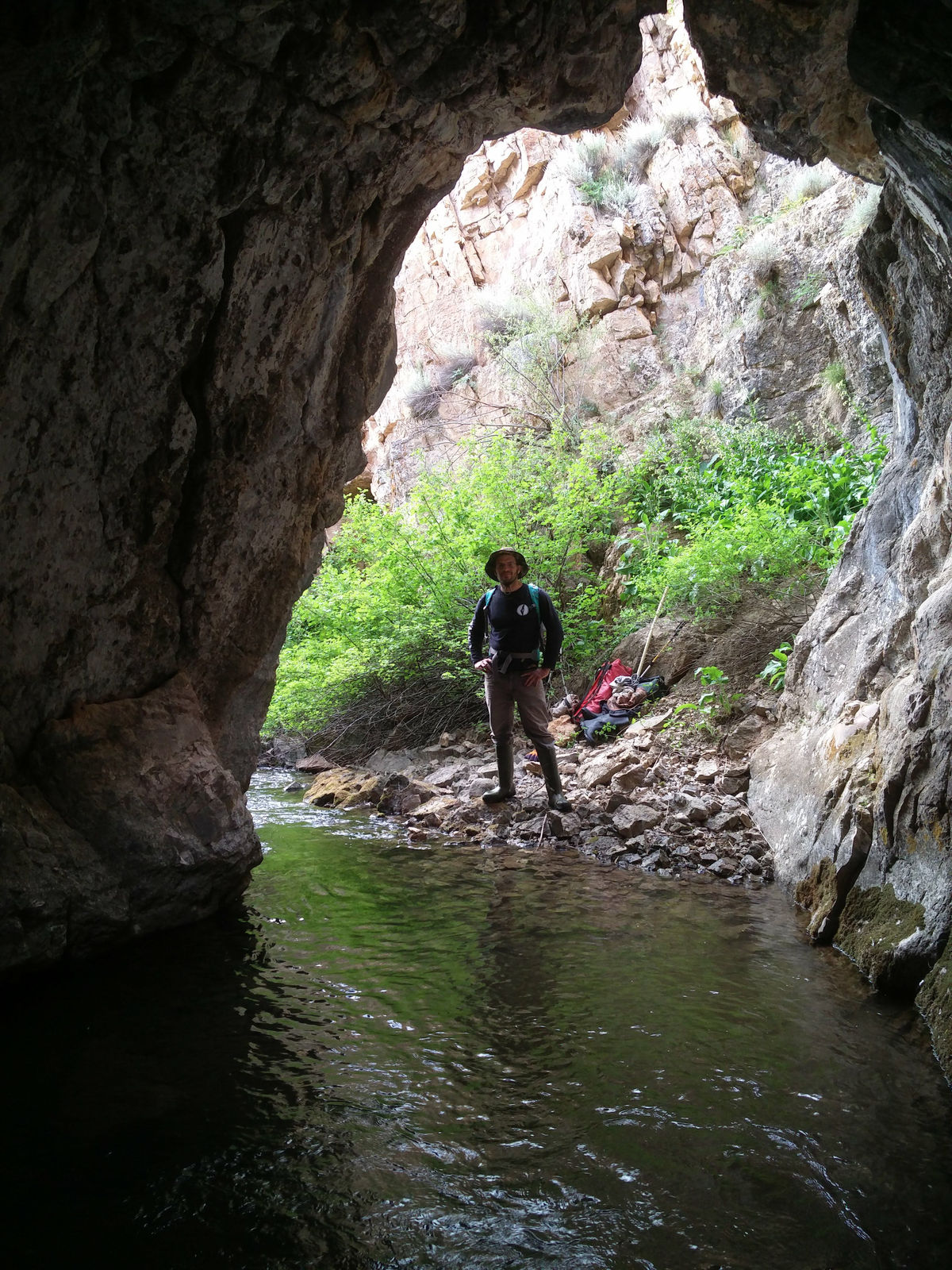
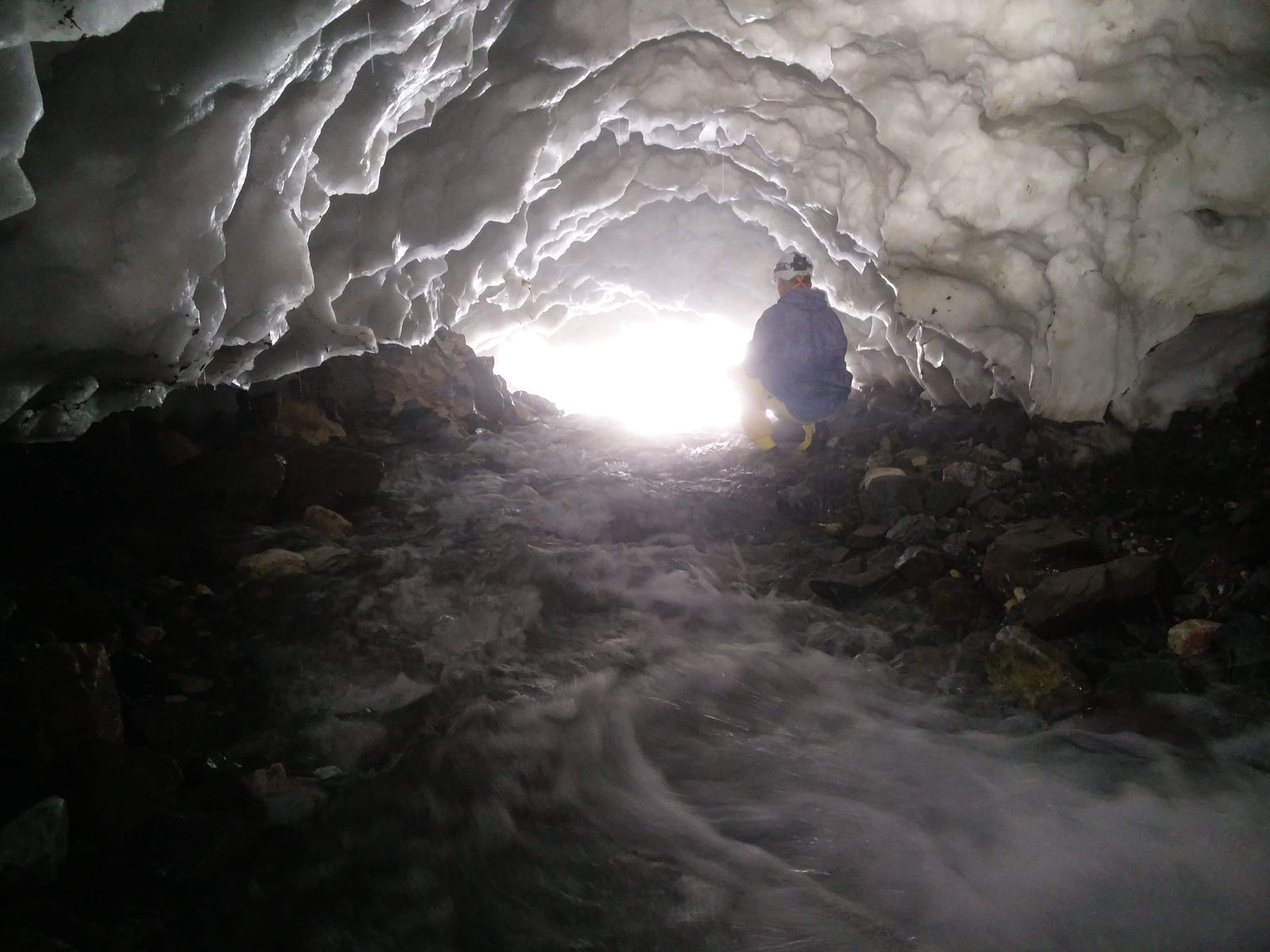
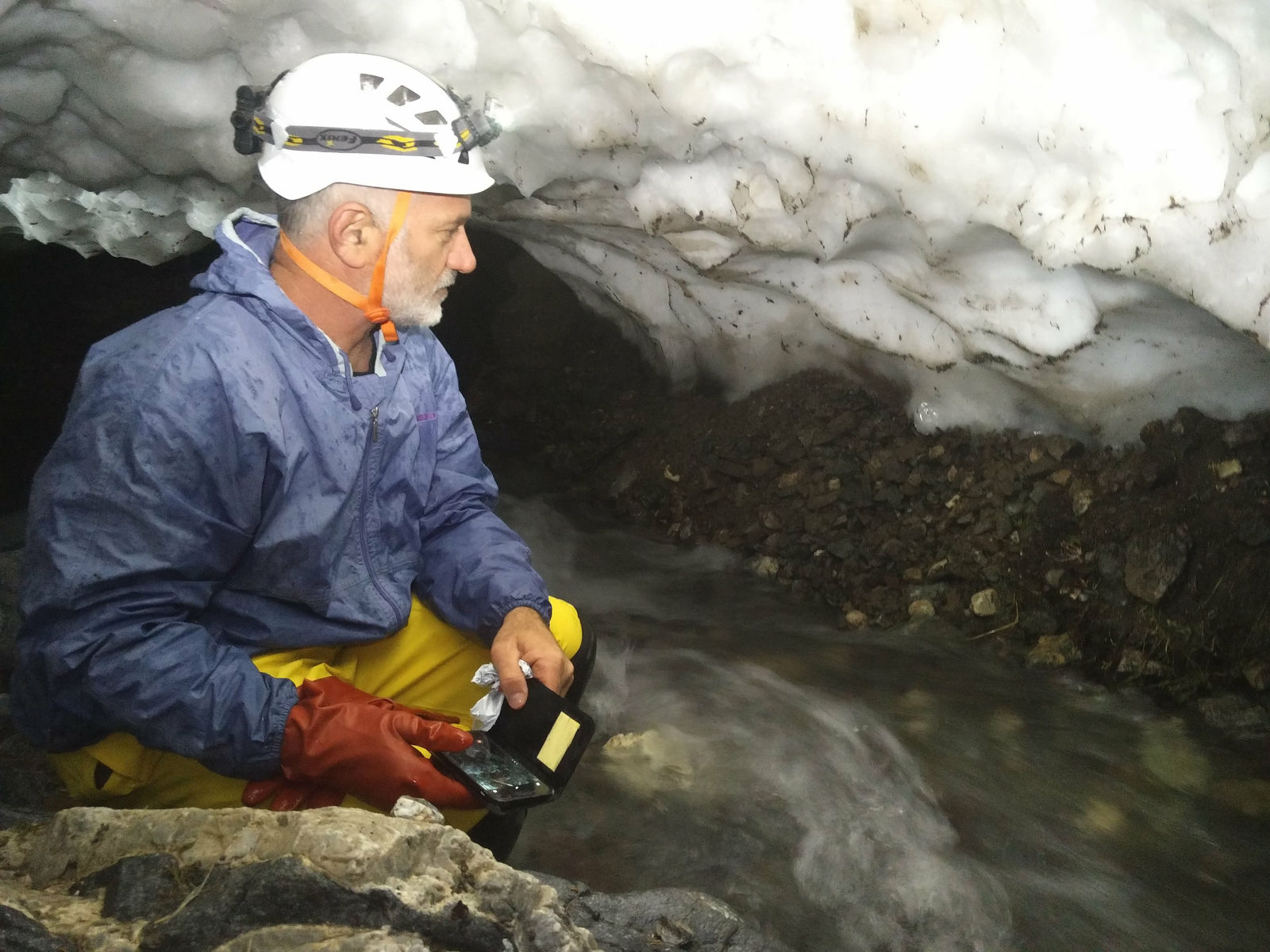
The upper part of the canyon was no less spectacular. It flowed and wound between huge cliffs of a dizzying height of 400 meters and more. During the day, as we climbed up the canyon, we discovered more and more openings that required checking. We agreed with ourselves that until 15:30 we would continue up the canyon and then we would have to turn back so as not to be caught in the dark. At 15:30 we had barely done half of the route we had set ourselves. But we decided that we had to go back. At that very minute Yotam found an impressive cave that crossed the stream. The cave was about 40-50 meters long and at its end water burst out of the rock. We marked the point on GPS, turned back quickly and arrived back exactly on time for the meeting with the 4x4 vehicle. Renewed hope beat within us. True, we had not discovered a giant cave, but it certainly seemed that we had found an area with karst and caves. Moreover, we had not really managed to reach the head of the canyon. Perhaps more discoveries will come later. Towards evening we reached the camp, expecting to hear news from the other teams.
Disappointment. Moving on
Boaz's team, which tried to reach the plateau, with great difficulty managed to climb one of the glaciers and reach the saddle at 3500, and from there understood that the climb to 4000 was an impossible task given the equipment and time limits we had.
Vladi's team, which checked the locals' points, discovered that they were openings without significant depth. The only hope came from Shemesh's lake team and from my canyon team, but in this arena too the longed-for breakthrough was not found. We decided to part from Chatkal and try our luck in the alternative area, Mount Buzbu Too.
Half a day's drive the next day through familiar landscapes brought us by noon to the new base camp, near a stream at the mouth of one of the canyons and at the base of several routes that go up to the top of the mountain.
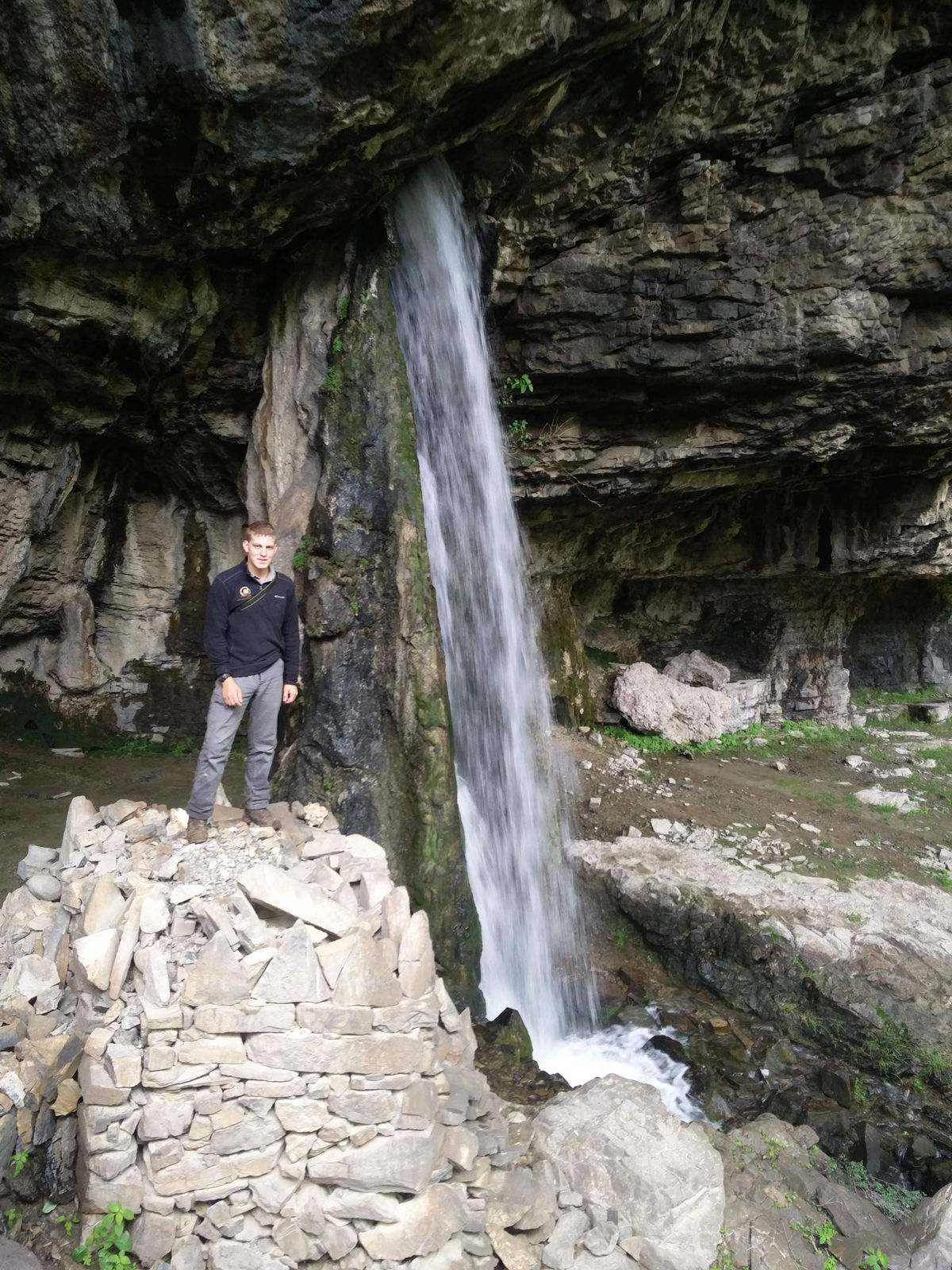
We set up camp and went out on a check sortie. The weather was overcast and it drizzled from time to time. Here too we had to climb steep, cliffy slopes, but a spark of renewed hope was lit. The rock looked more suitable for karst activity. Moreover we visited a rushing waterfall bursting out with force at the head of one of the canyons. A reasonable assumption is that such a waterfall is actually the end of a river cave flowing inside the mountain. If we only find the points feeding that underground river, one of them may be an entrance to that cave.
In the evening we sat over the maps and aerial photos and identified that the top of the mountain is a wide plateau with a number of lakes, dolines and karren fields (a classic karstic landscape). We decided to go out in two large teams with sleeping gear, food and tents and set up a high camp on the plateau, from which we would go out on tours. The only problem was that we only had two days left to complete the mission and return.
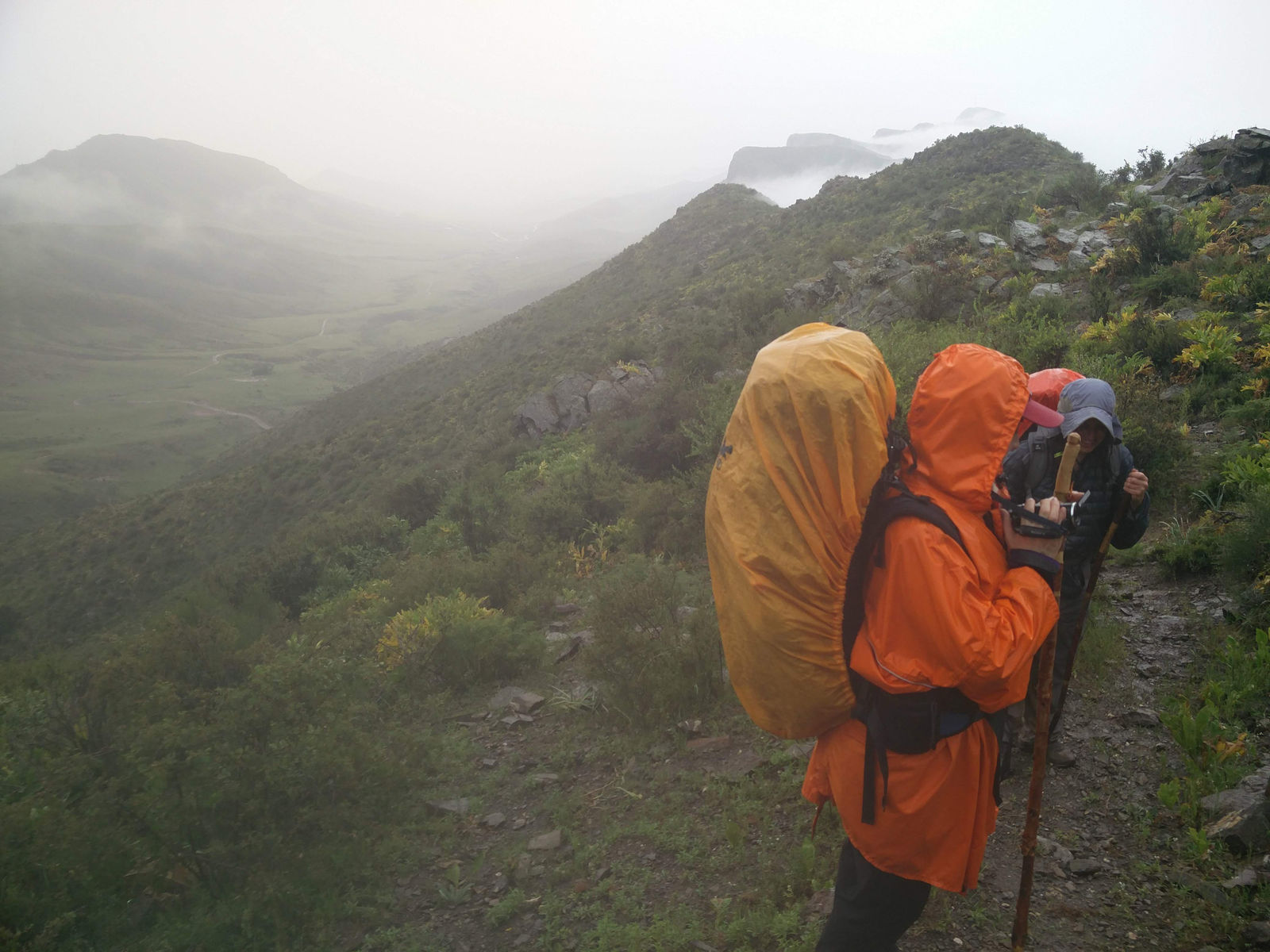
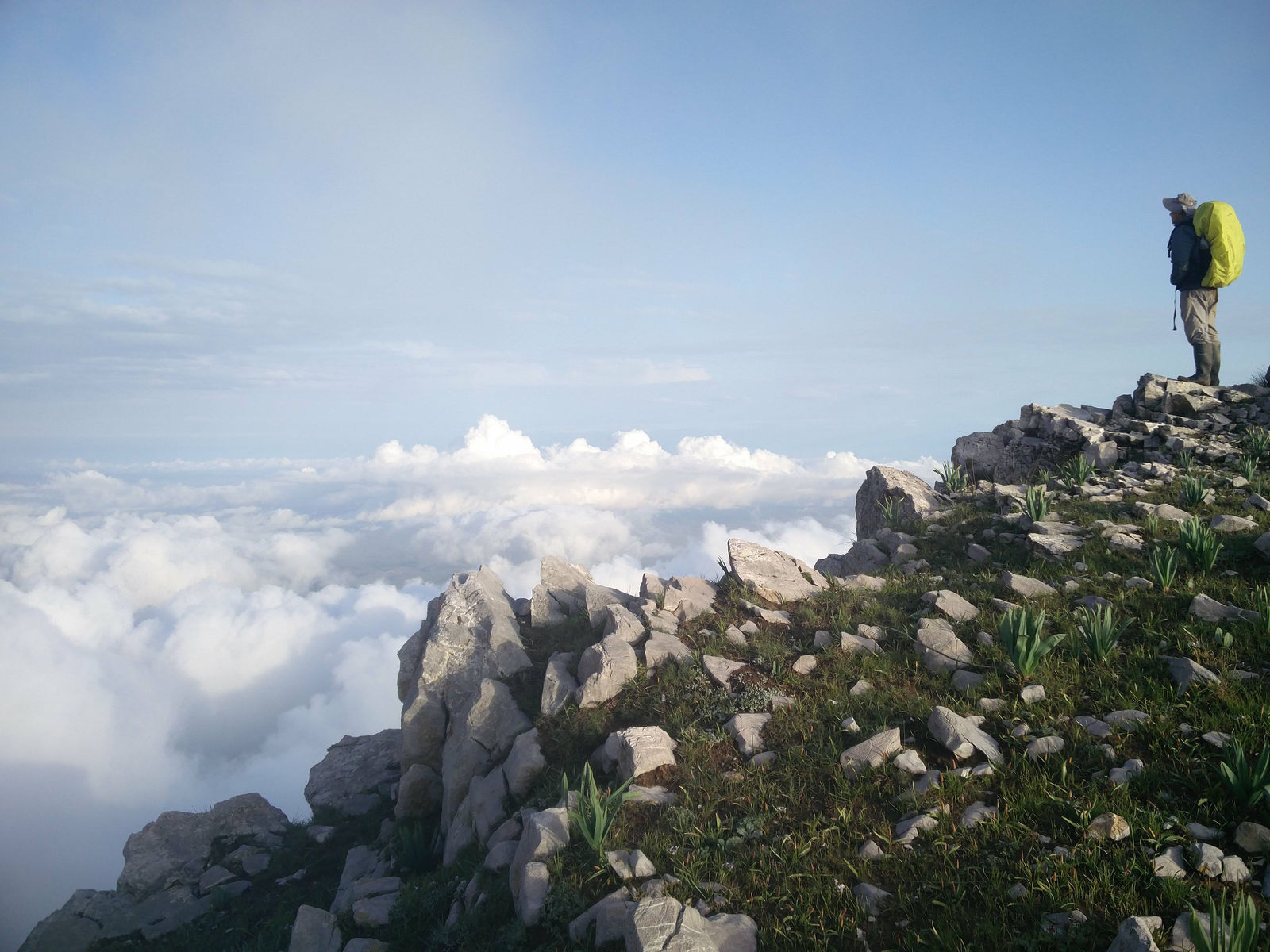
The next day we woke to a gloomy, rainy day, loaded the equipment onto our backs and wrapped ourselves in raincoats. The ascent to the plateau is hard and long but, unlike Chatkal, definitely possible. The mountain did not spare us its wrath and relentless rain accompanied us on the day of the climb, and not a dry piece of clothing was left on us. Almost in darkness, after 12 consecutive hours of climbing, almost without stops or rests, we finally managed to reach the plateau. The rain eased a little and we decided to set up the camp on a relatively flat patch of grass, at 2700 meters, before the astonished eyes of herds of cows and horses. The view on the plateau slightly resembles Hermon in early spring. Wide green dolines, rocky ridges and snow in the shaded places. From this height the surrounding view is truly breathtaking. Just as darkness fell we gathered for a hasty dinner and all fell, robbed of strength and shattered, into our sleeping bags.
The last day
In films and stories it is customary that all's well that ends well. Filled with the same belief, we hoped that the last day of the expedition would bring us the longed-for breakthrough. The area looked most promising and we checked a number of caves that looked good. The lakes, dolines and karren spoke karst. It seemed that at last we had reached an area with very significant potential. All the morning hours we searched among the karren and in the dolines for the longed-for opening until at a late morning hour we had to stop the search in order to manage to descend the mountain - a descent of 1700 meters of altitude. A journey of at least 5 hours.
If only we had had a little more time on the mountain, I believe we would have managed to find the point where the water seeps into the belly of the earth and comes out 1300 meters lower in a rushing waterfall. The way down was magnificent in its beauty, the weather was excellent and the visibility clear.
On the way down we met many shepherds who were going up with their herds to the mountain. In Kyrgyzstan the shepherds' migration is vertical and not horizontal as in other places in the world. That is, instead of migrating from place to place across space, the shepherds go up with their herds to the height where the green grass survives longer and toward autumn the shepherds return to the valley.
Summary of the expedition
We did not meet the ambitious goal we set ourselves. We hoped to find, in a very short time, a deep cave that could become a project for many years. And in that we failed. But we certainly met the secondary goal: we carried out a working, ticking Israeli expedition. During all the days of the expedition we did not stop trying to strive for that goal. We did not rest. Not for a moment. The foot was pressed to the pedal all the way, all the time. We walked tens of kilometers on foot every day in extreme topography far beyond what is familiar in Israel. Every day we climbed and descended hundreds of meters of altitude and sometimes even more. We tried to reach almost every opening that the equipment and time allowed. We discovered dozens of new and unknown caves. Important information by any measure.
And as for Kyrgyzstan itself. We discovered a country with pristine, breathtaking landscapes. We met cordial and nice people, a culture of hospitality and an open heart. A culture of ancient tradition and simplicity, contentment with little, and joy.
Kyrgyzstan could easily become a destination for mountaineers; it has 3 peaks over 7000 meters high. It could easily become a destination for a hiker who likes to do tough treks or to descend rushing canyons. For a traveler who likes to smell, taste and meet a different culture in a country that has almost no tourism and has remained as it is, without shows and pretence. Kyrgyzstan left a deep impression on us and there is no doubt that we will return to it soon.