Cave rescue conference in Casola, Italy 2018
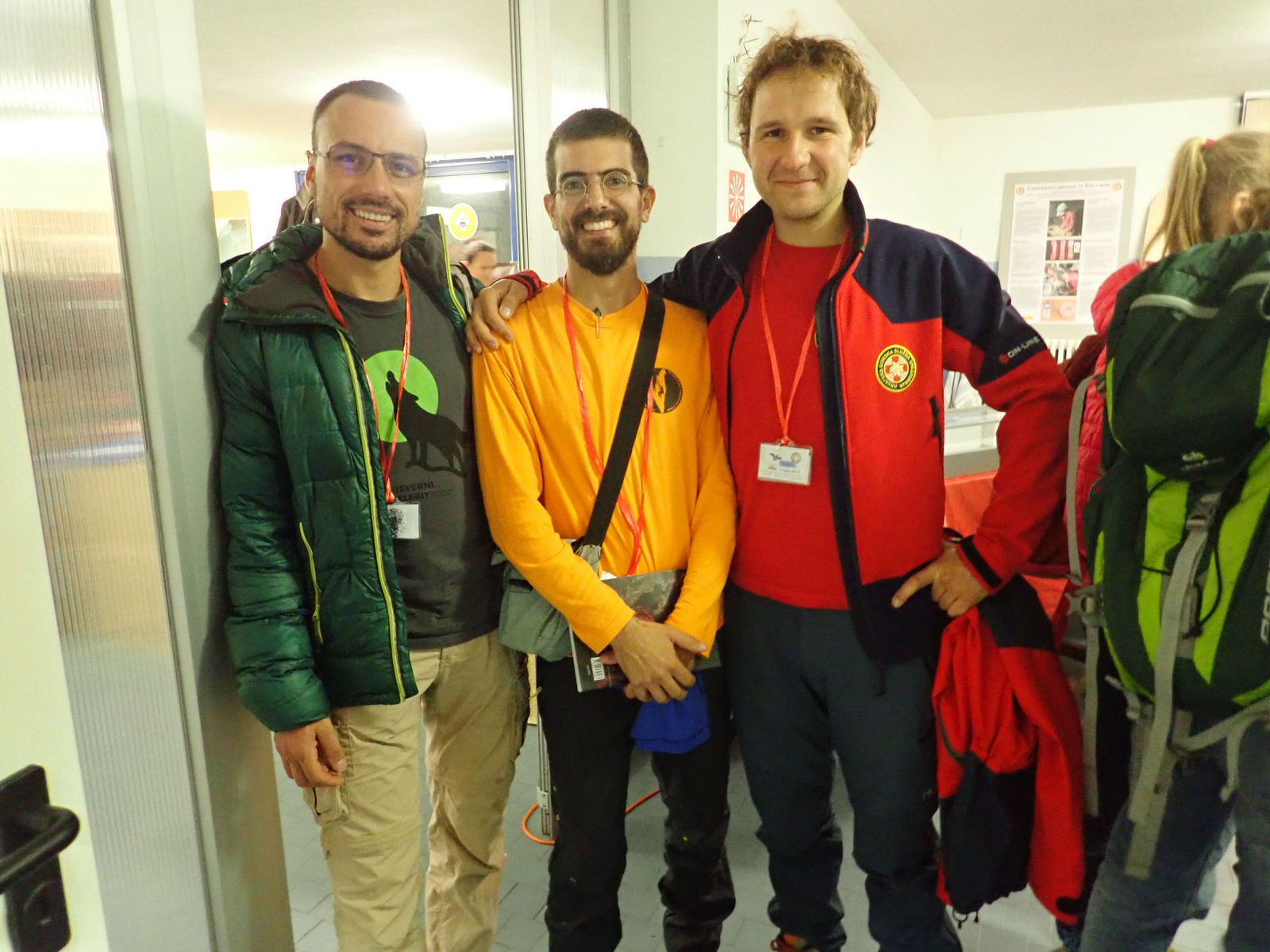
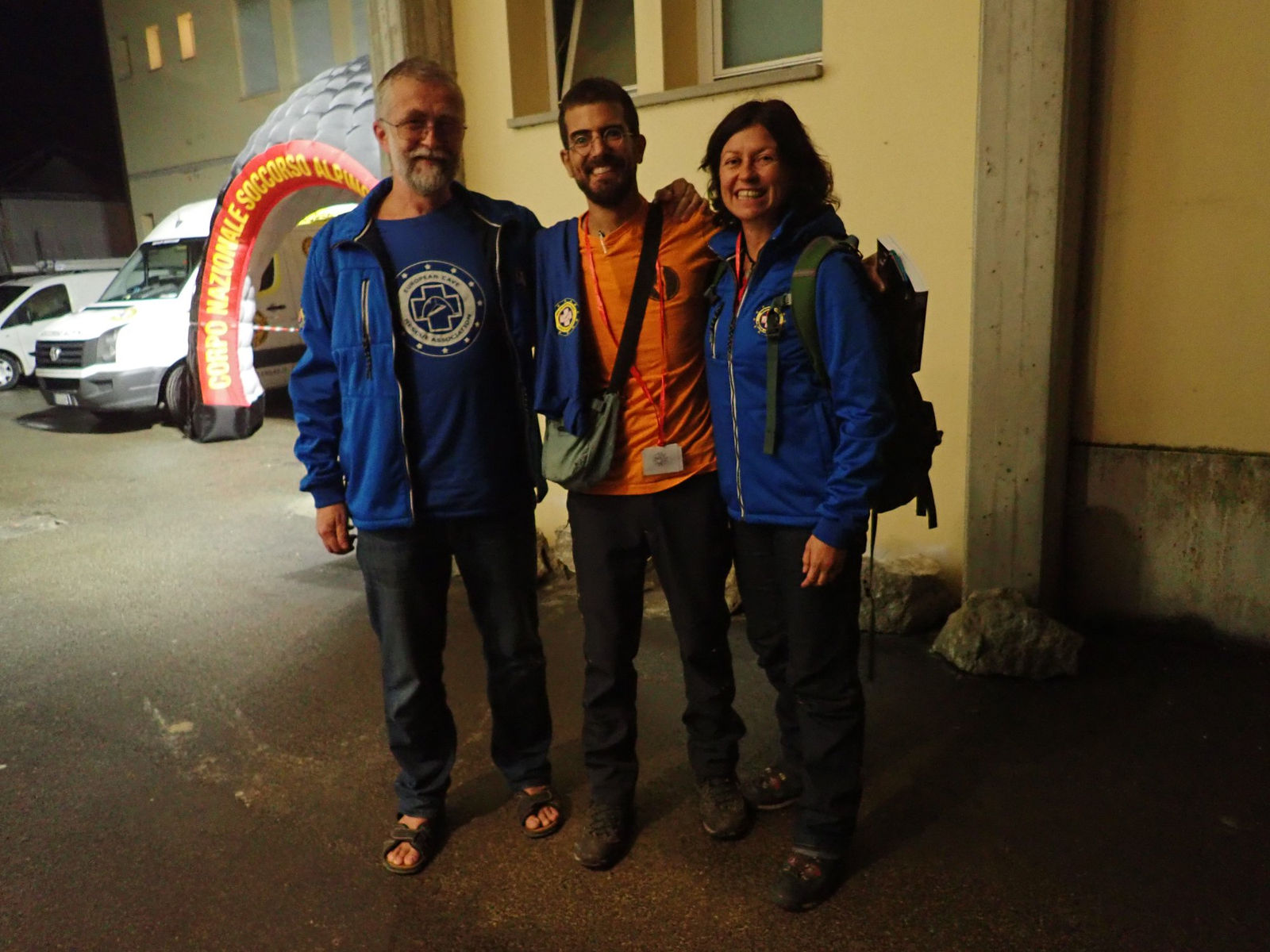
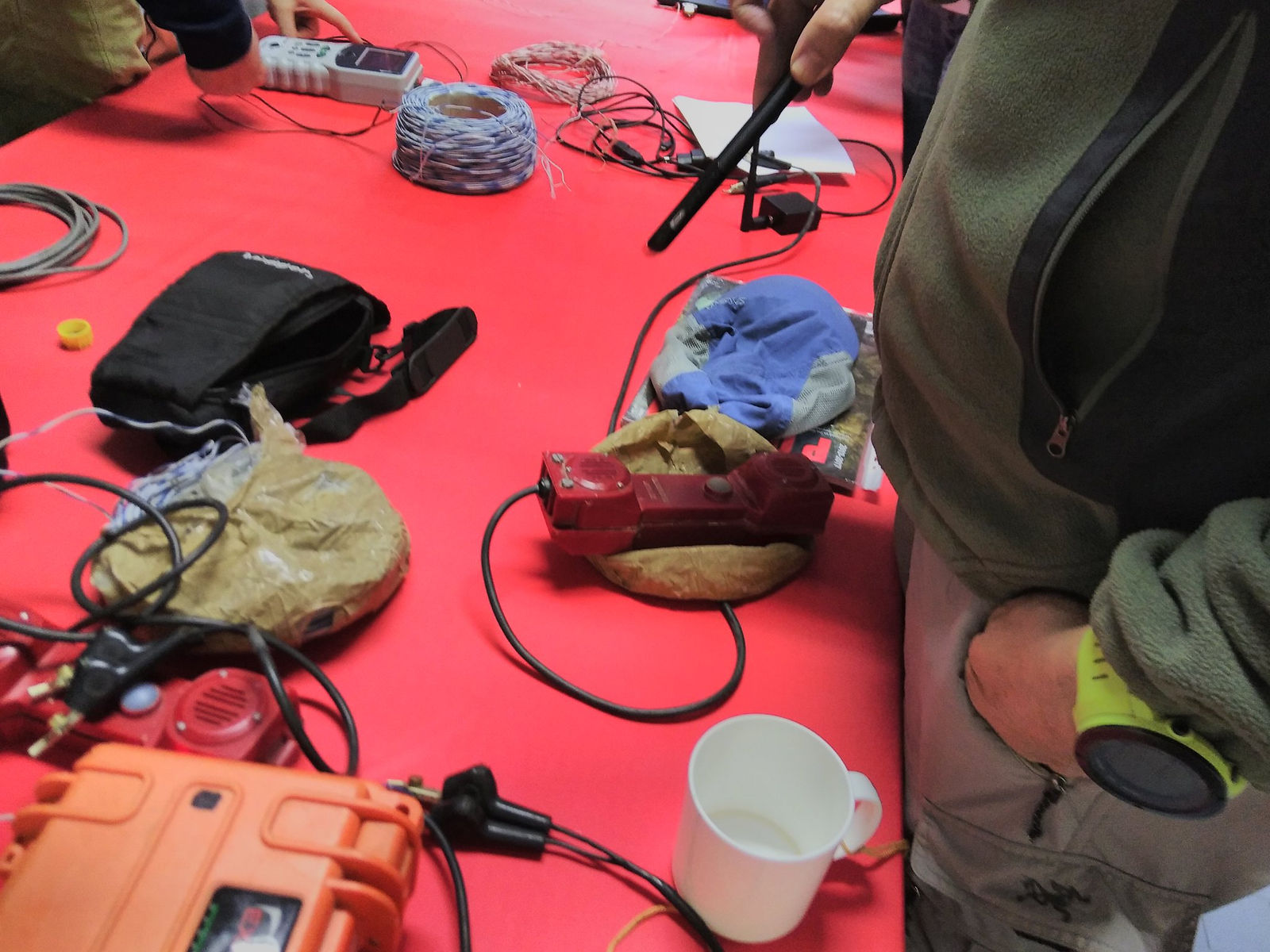
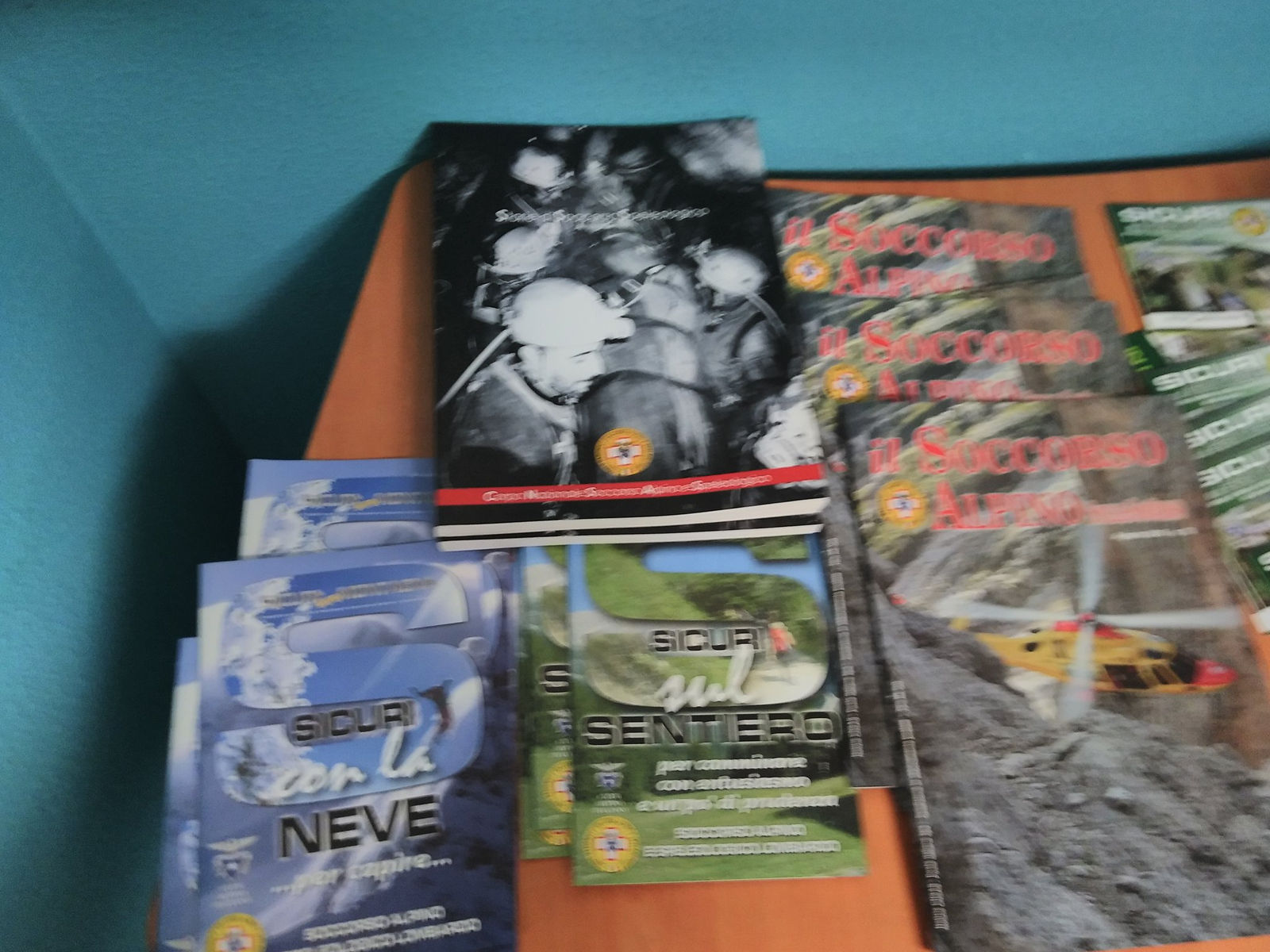
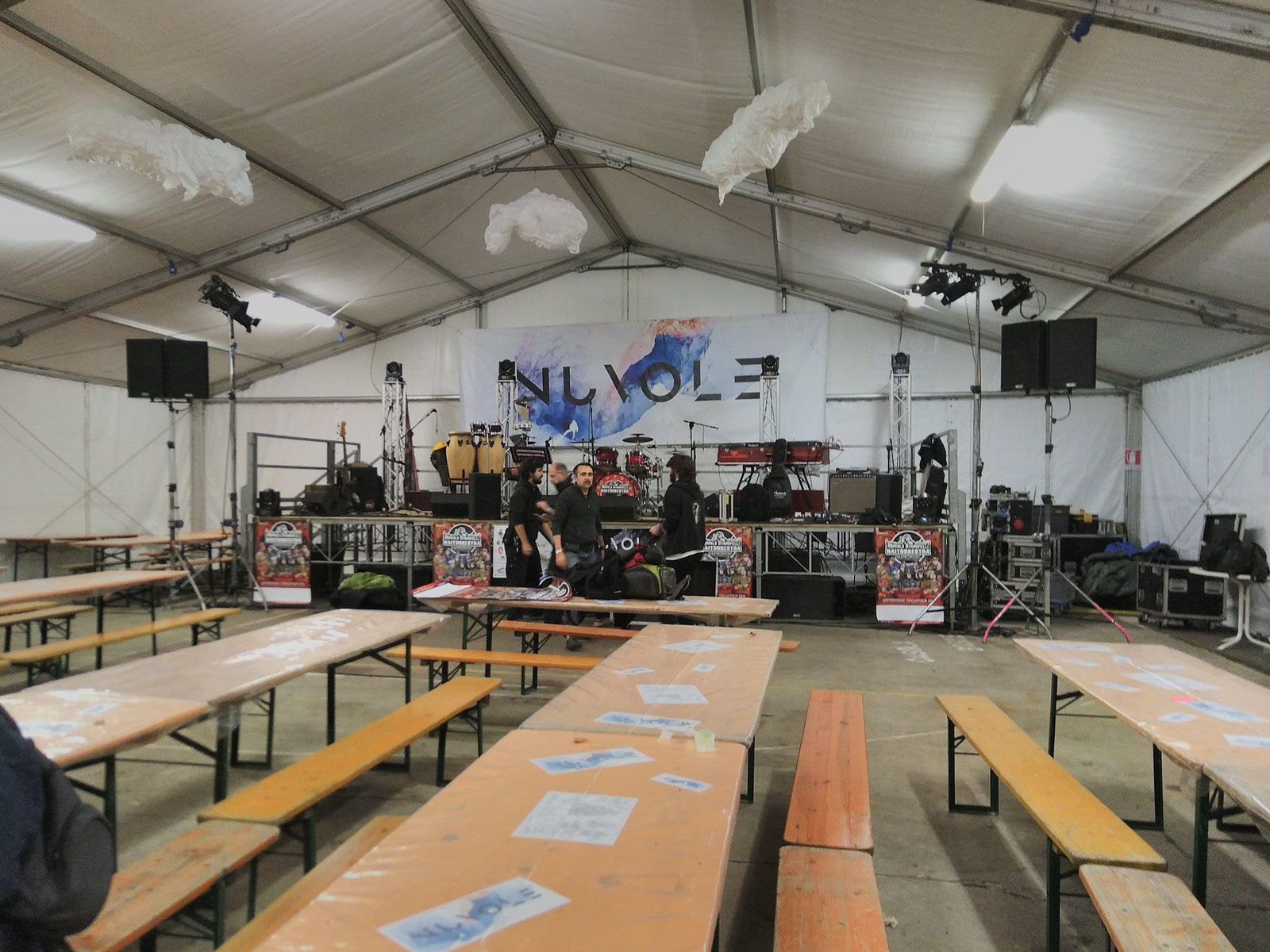
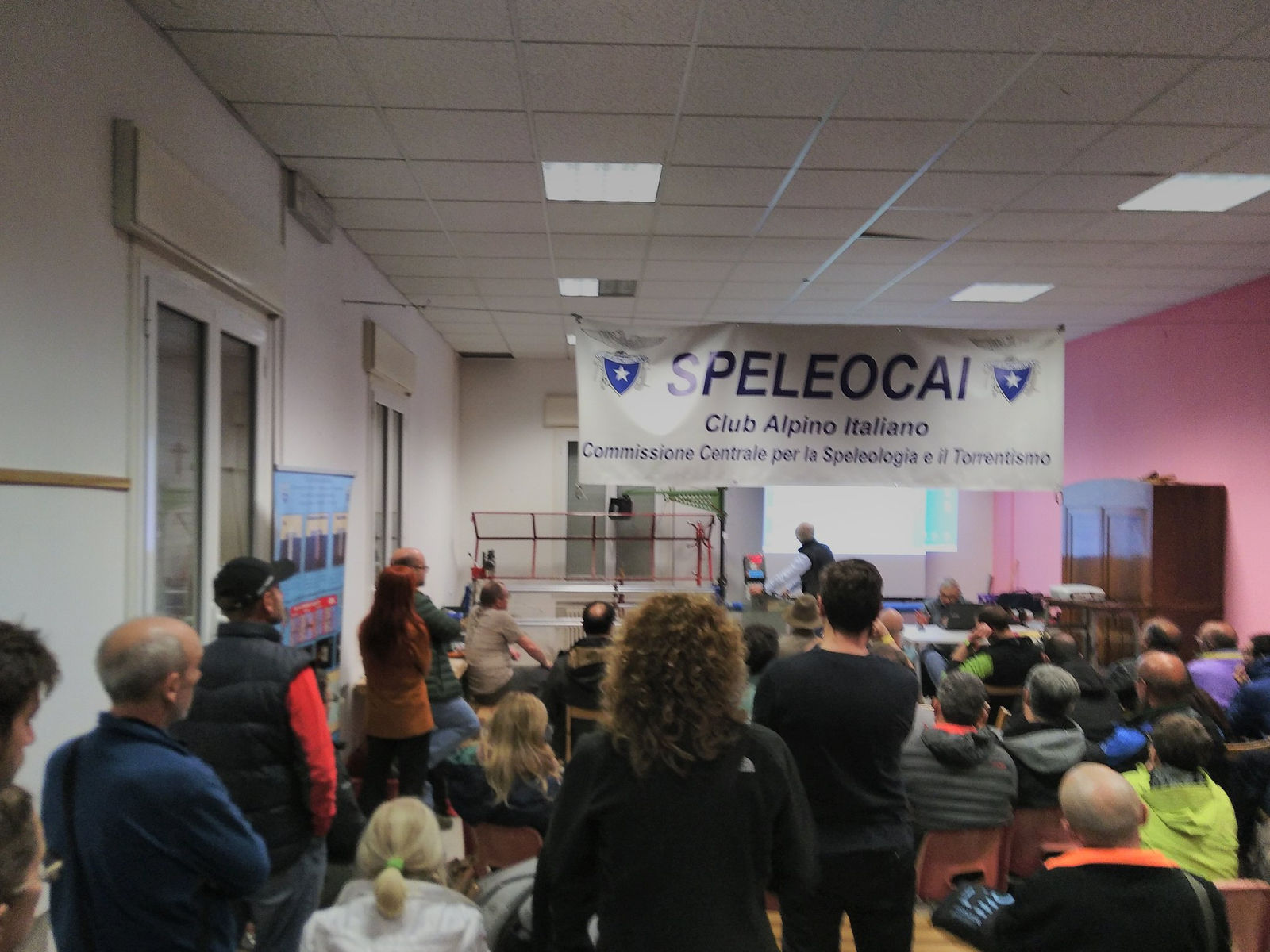
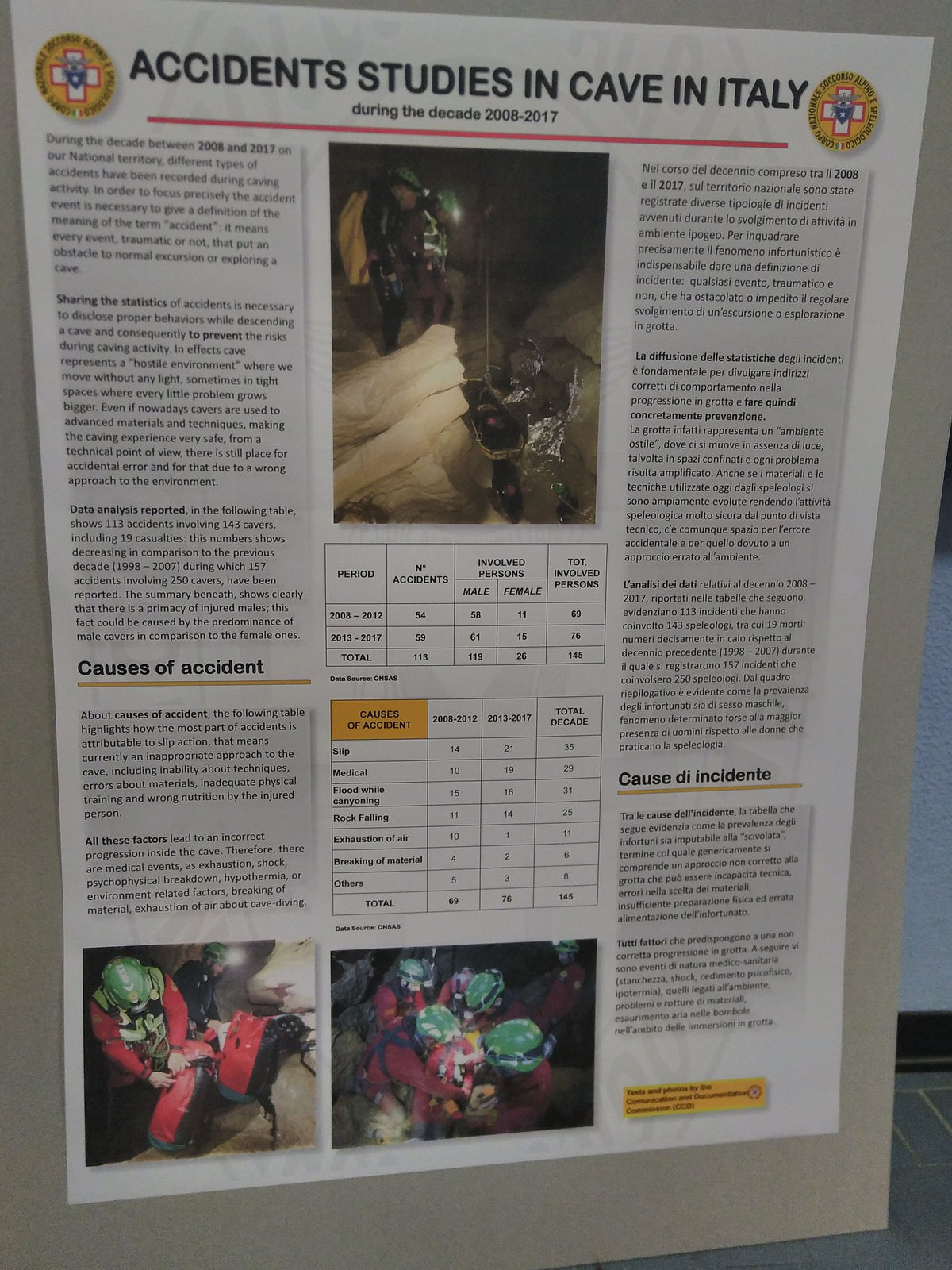
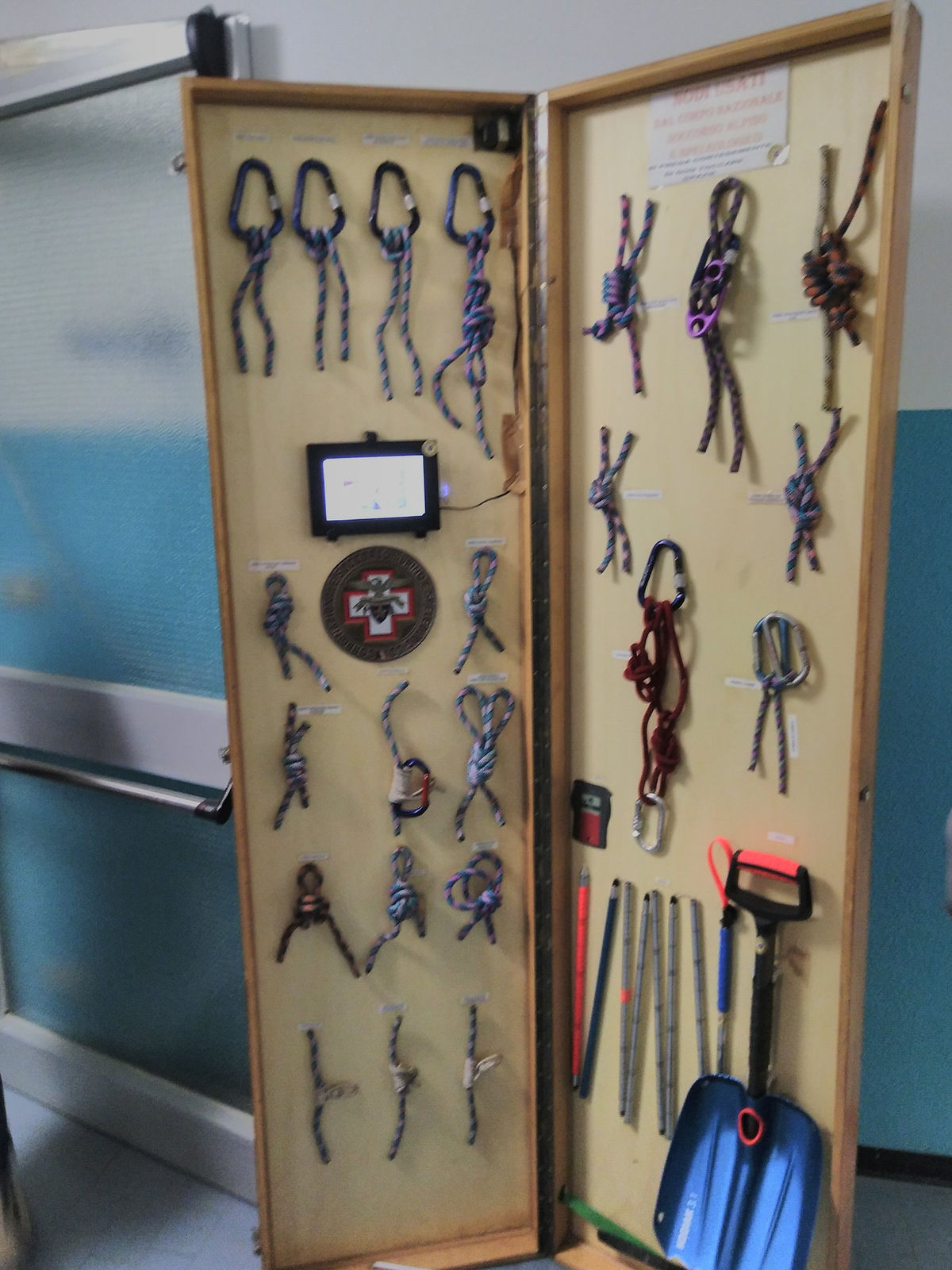
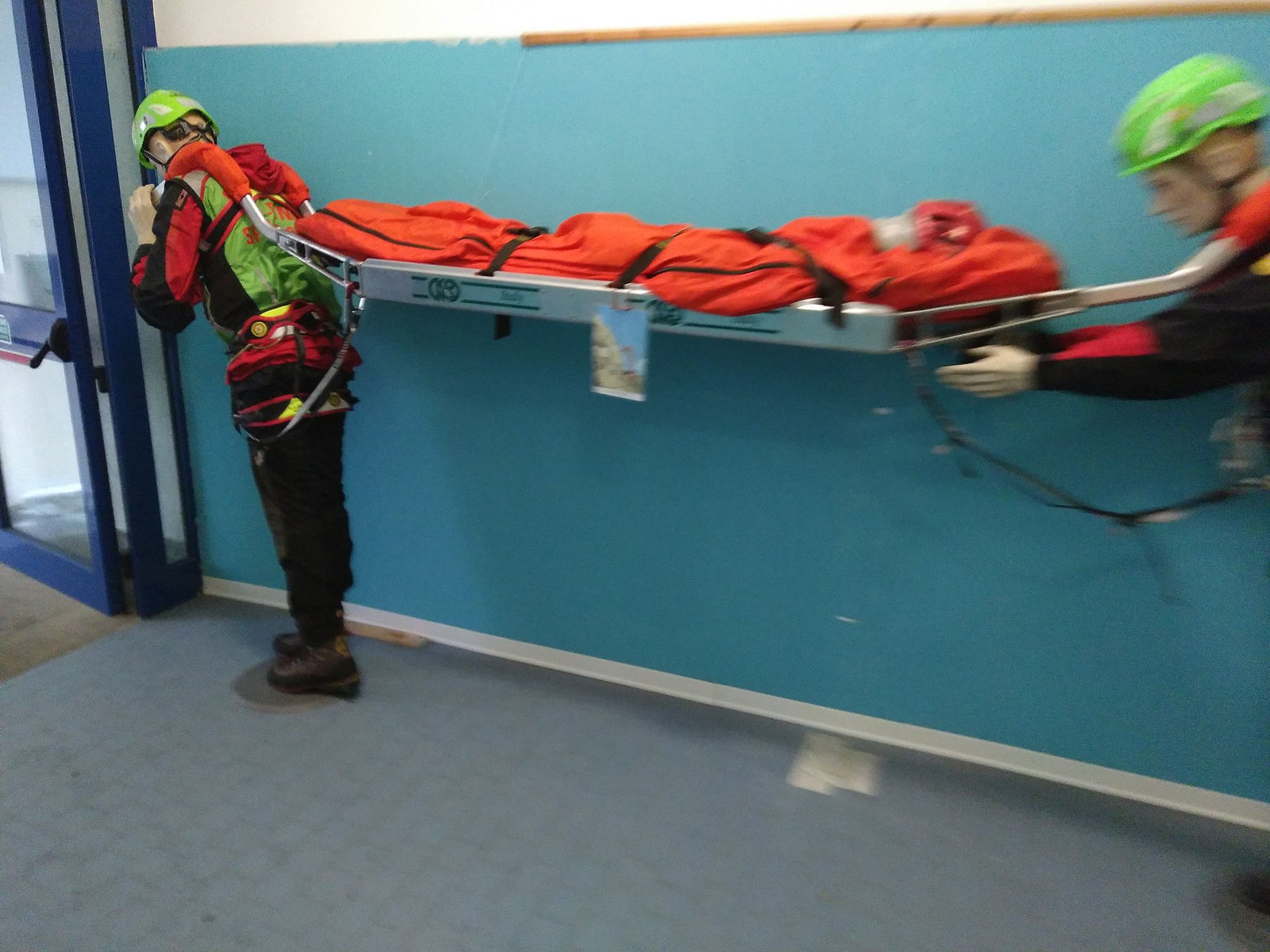
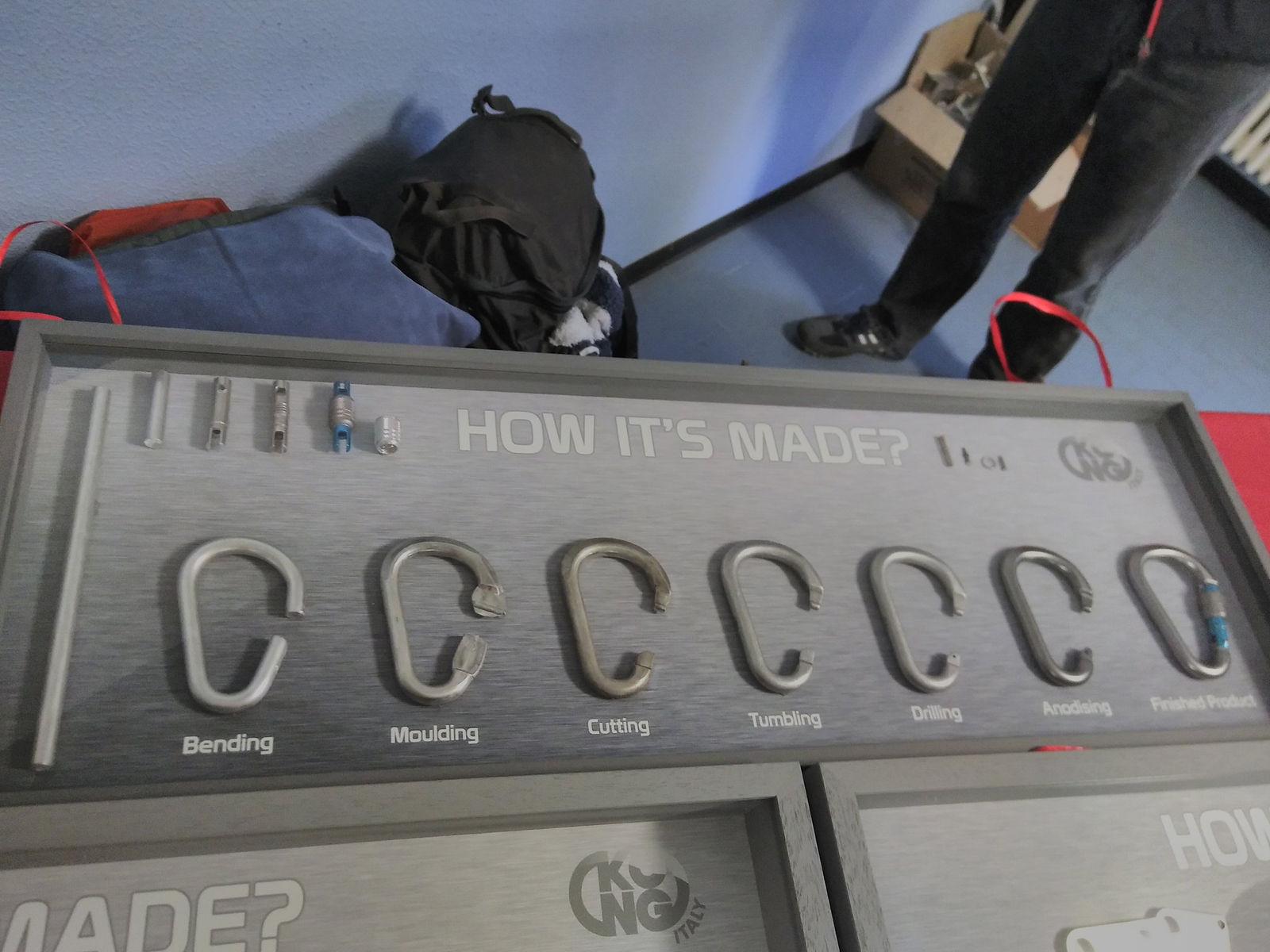
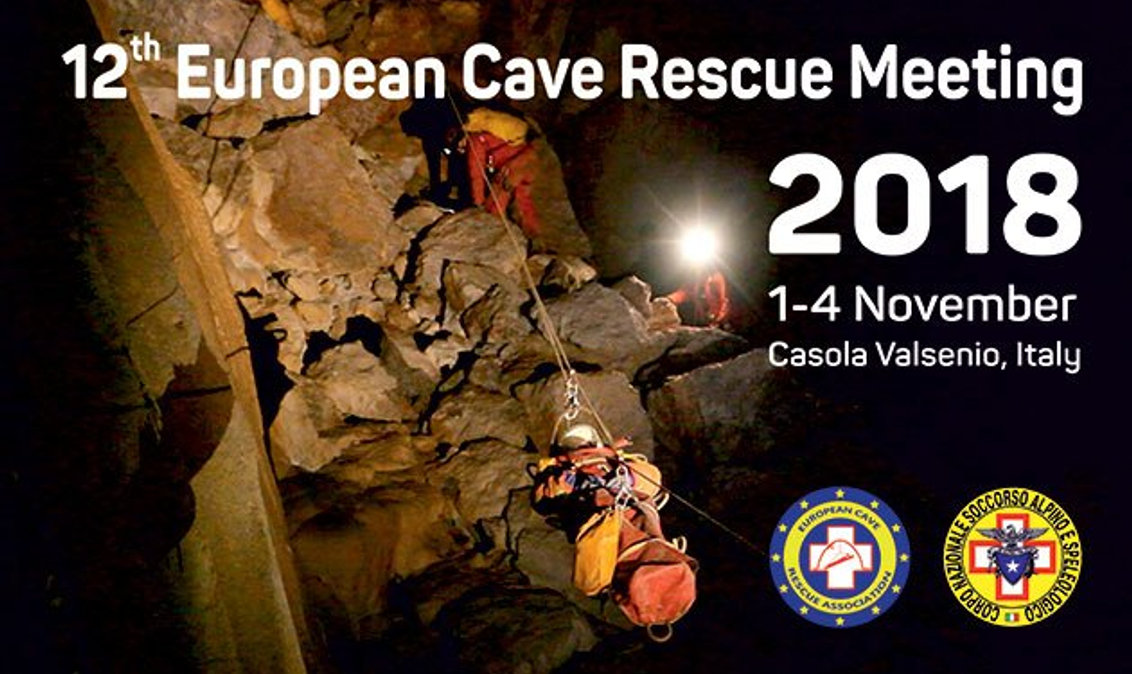
On 1-4/11 the Italian cavers' conference took place in a small village called Casola Valsensio, in the Bologna area. It is a small village of about 2,000 residents, which more than 2,000 cavers joined during the conference (I was participant no. 2416...). The conference included a huge number of different and strange activities in many venues in parallel. For example, on Saturday, the day I came, the programme included a review of the activities of Italian caving committees in Cuba, in Mexico, in New Guinea, reviews of caves in Italy, reviews of various caving courses. A three-dimensional film an hour and a half long about the cave in Cuba was also shown, as well as lectures on underground fauna, climate change and caving, archaeo-speleology, and more and more and more.
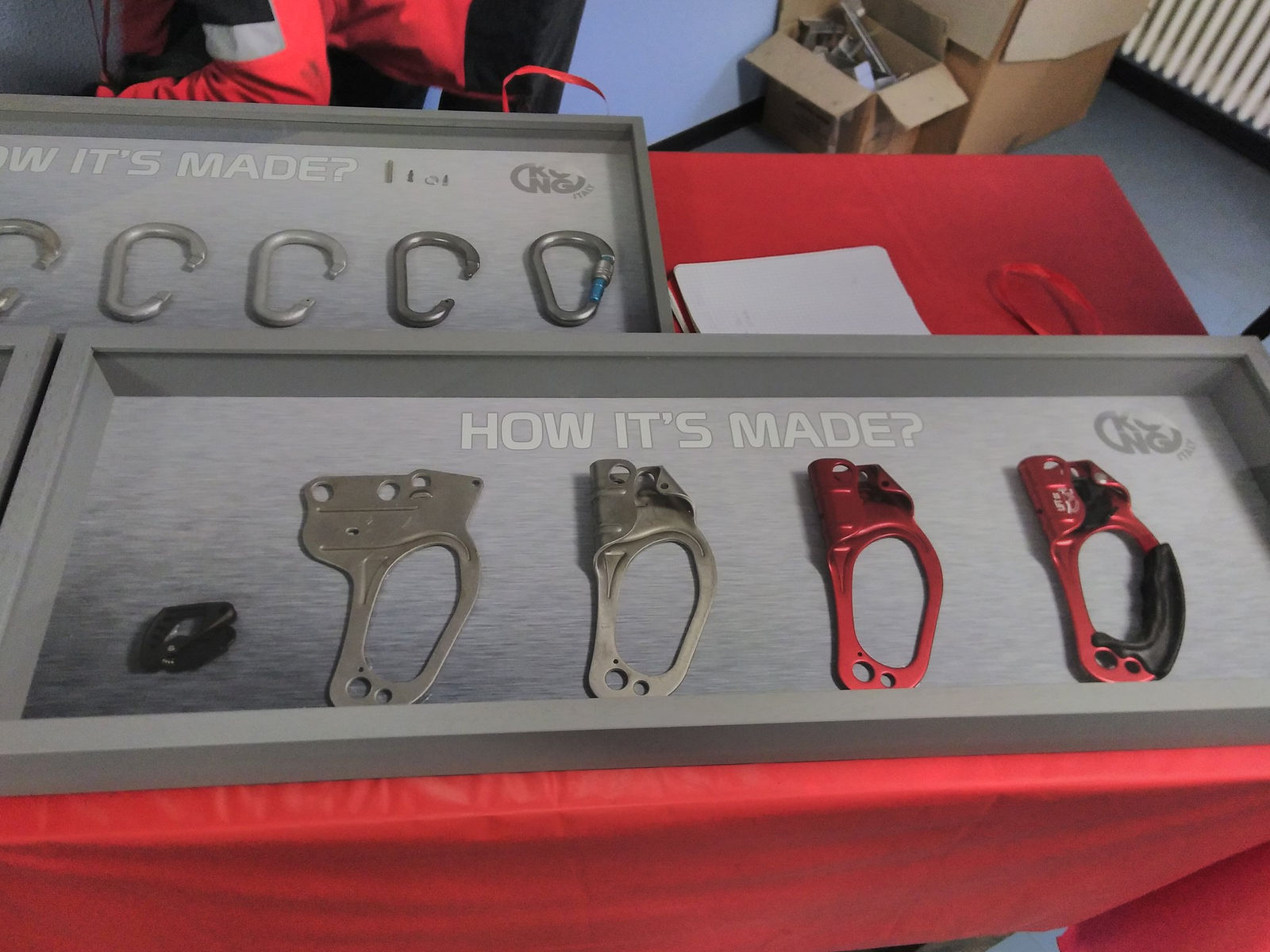
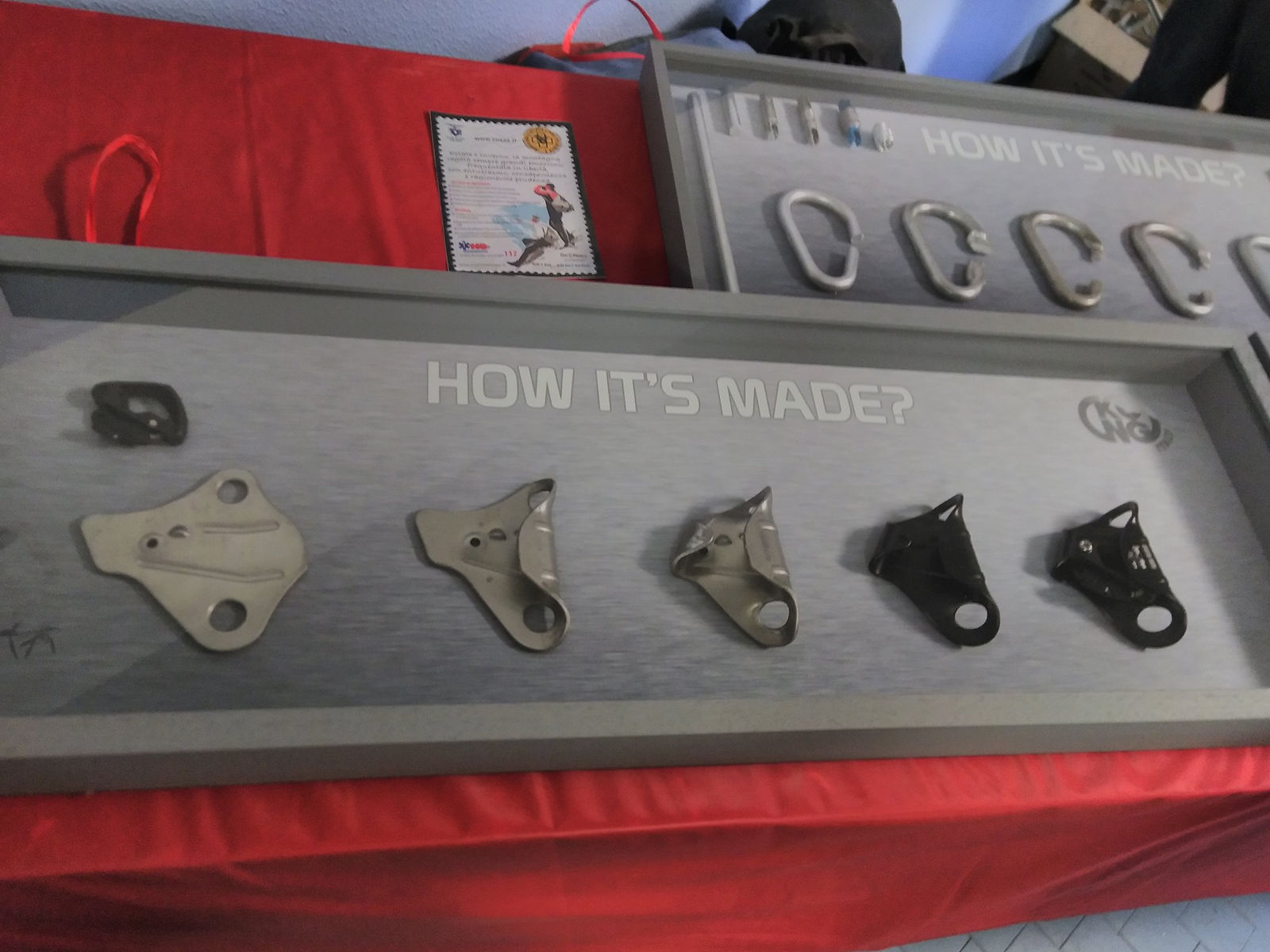
Besides the informational aspects, there were also two equipment fairs at prices that seem to me somewhere between excellent and fine, with an amazing selection of everything, including clothing (hiking, rappelling, caving), basic equipment, advanced equipment. They also set up a giant tent with buffets and a stage with bands playing. They said that in the evenings there were parties in the various bars of the village until the small hours of the night, and in general walking around the village felt like walking around a backpackers' village.
As part of the Italian cavers' conference, a private conference of ECRA – the European Cave Rescue Association – took place, of which we are now members. About 100 people from 19 clubs from 15 countries in Europe took part (England, Germany, Italy, Greece, Turkey, Austria, Bulgaria, Slovenia, Sweden, Switzerland, Romania, Poland, I think Croatia and Slovakia too, and little me from Israel). My impression is that compared with the general Italian conference, which cavers of all types and levels came to, the ECRA conference is something else entirely. First, it is a conference of cave rescuers, that is, people who know not only how to get into trouble in a cave, which is quite easy when you think about it, but also how to get out of it and even to get others out, which is something else entirely. Second, the clubs that are members of ECRA are established clubs, with a lot of knowledge and organizational experience, that have been active for decades and have many members.
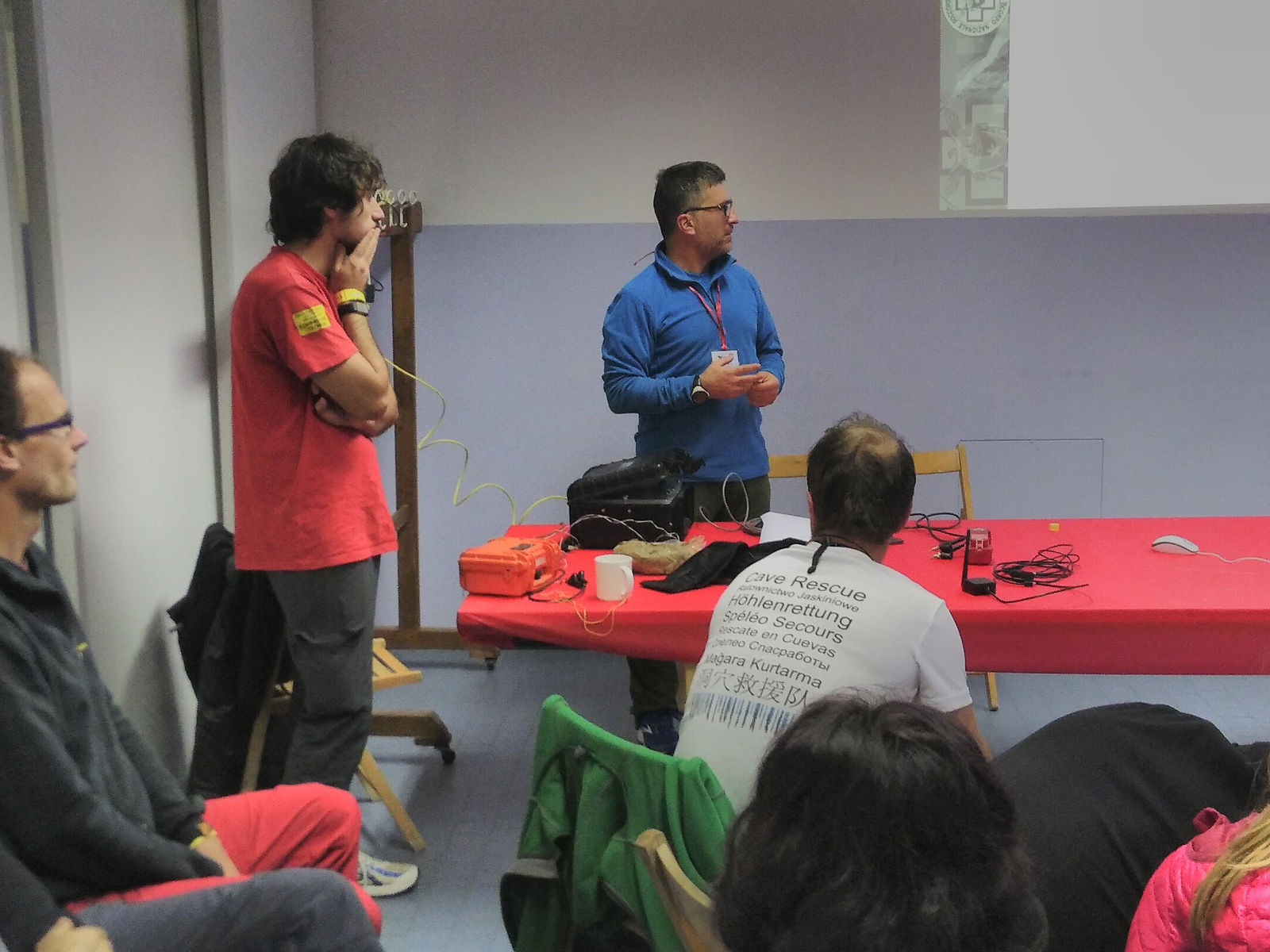
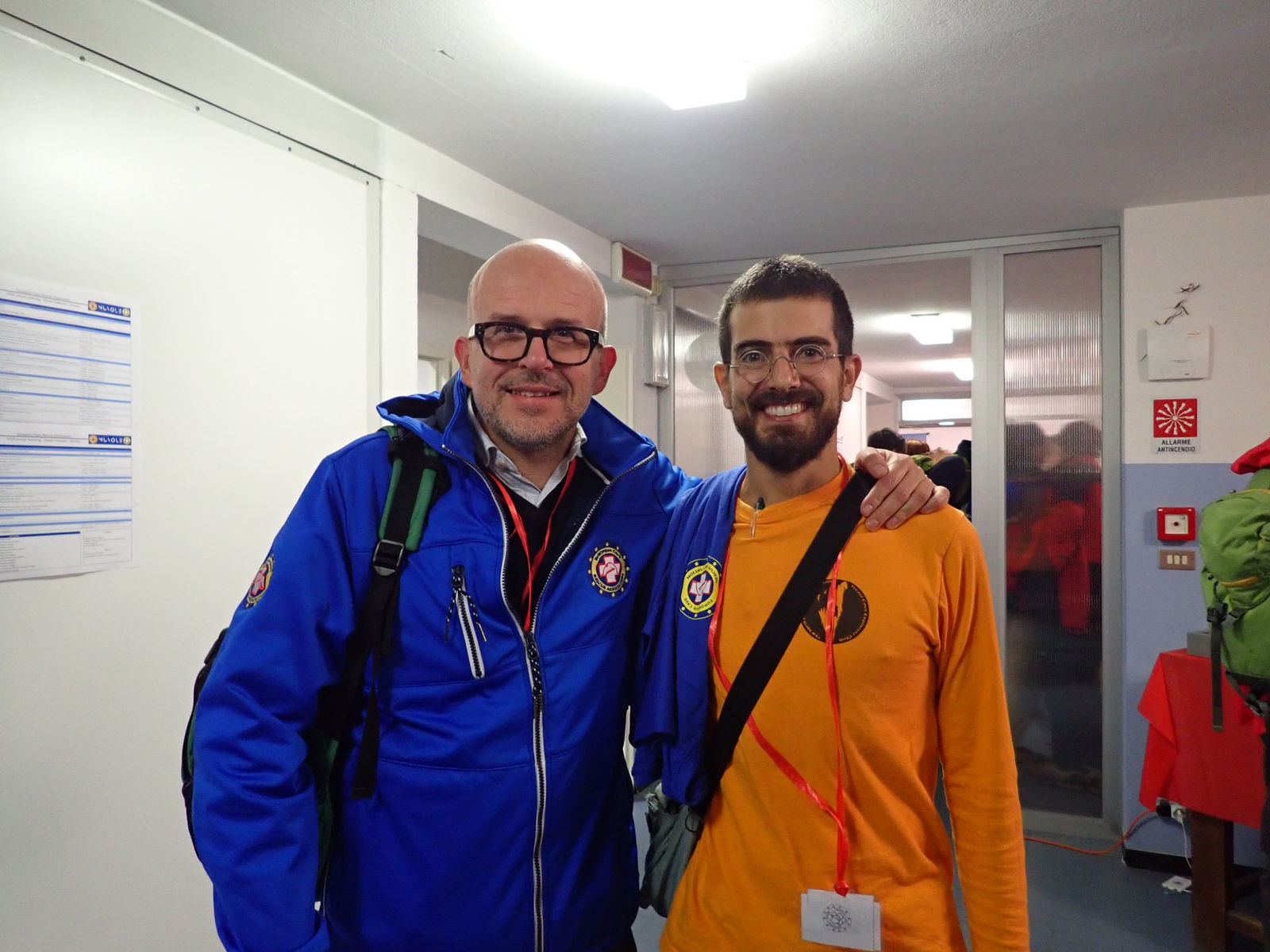
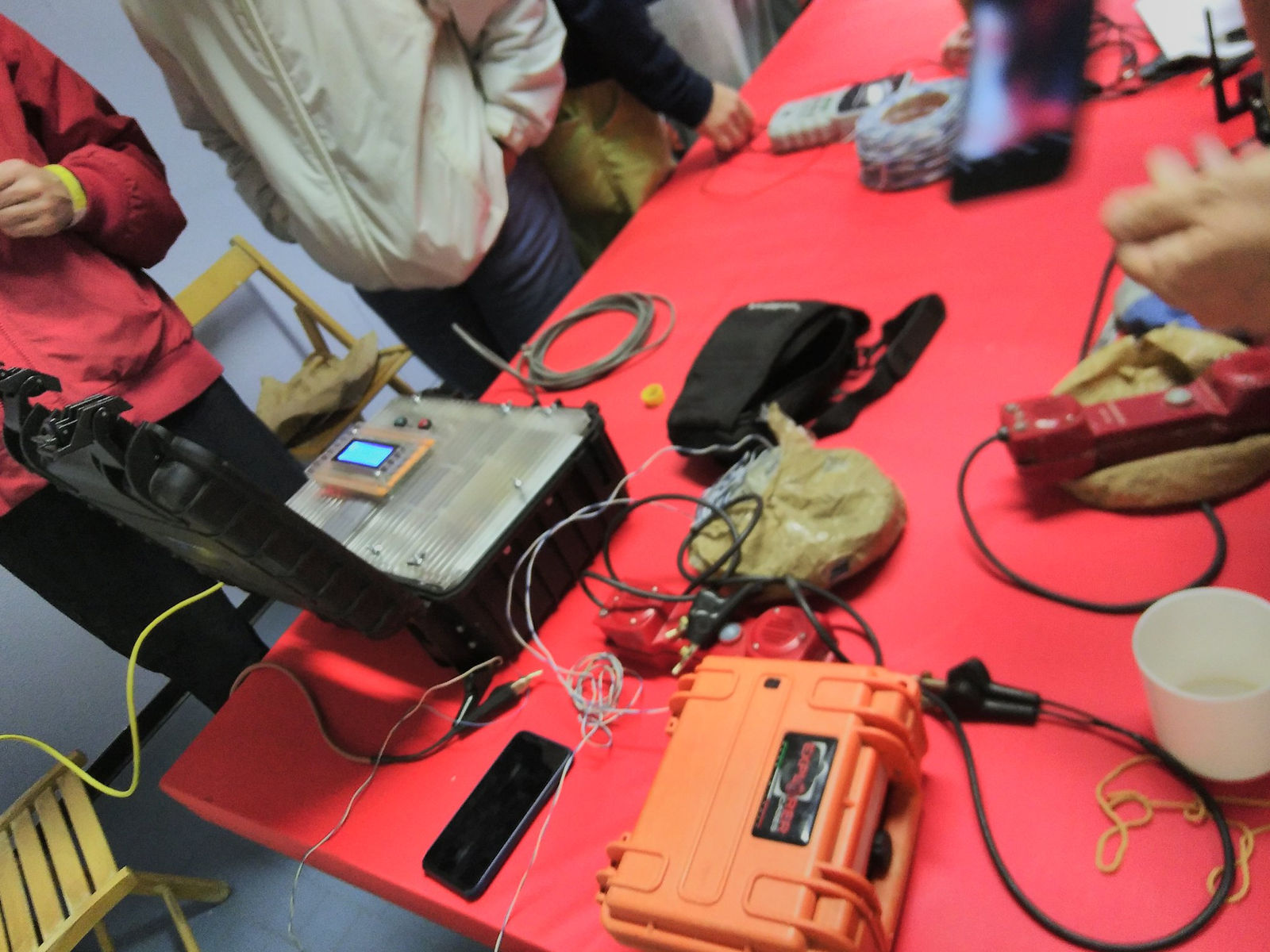
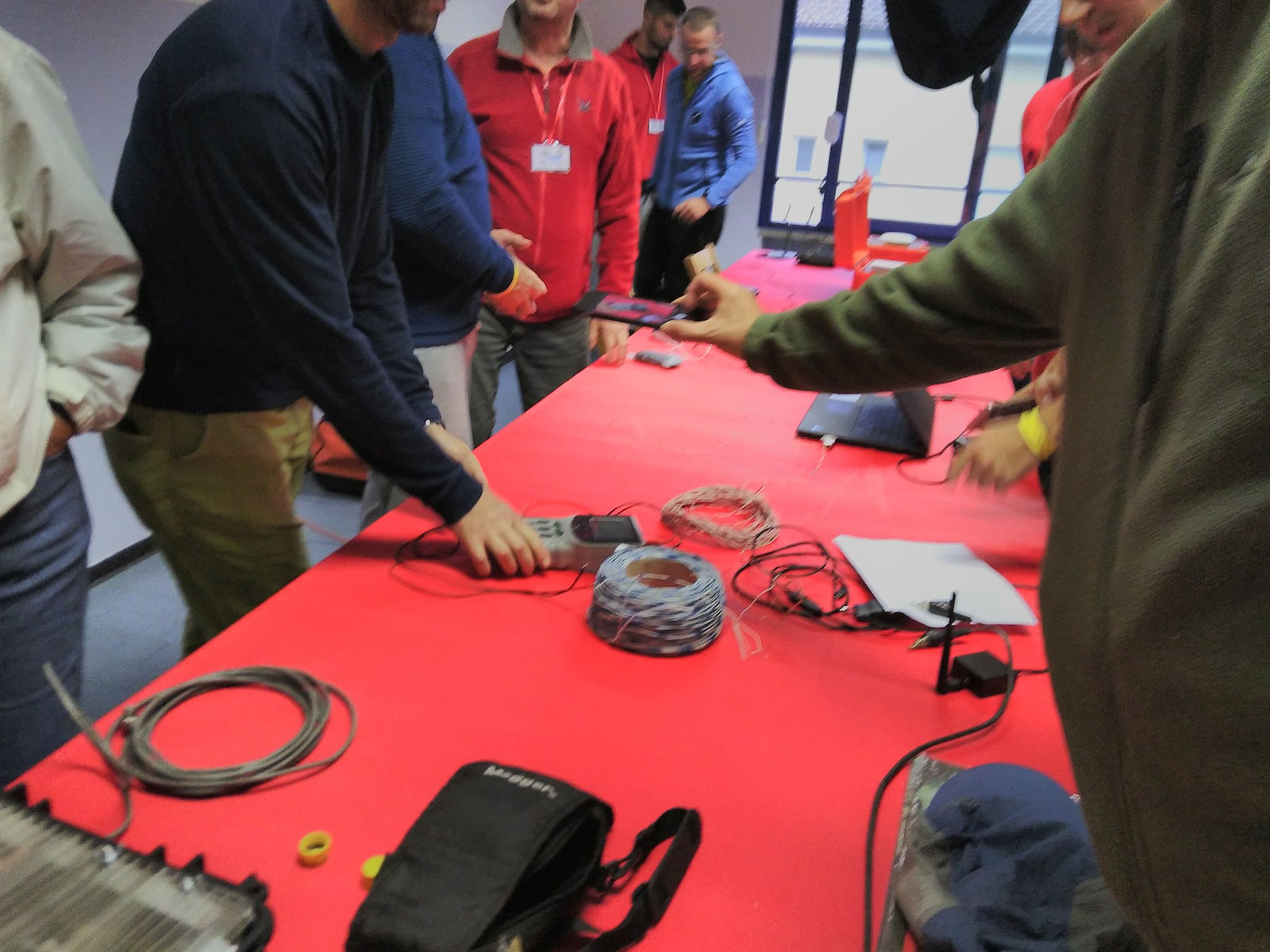
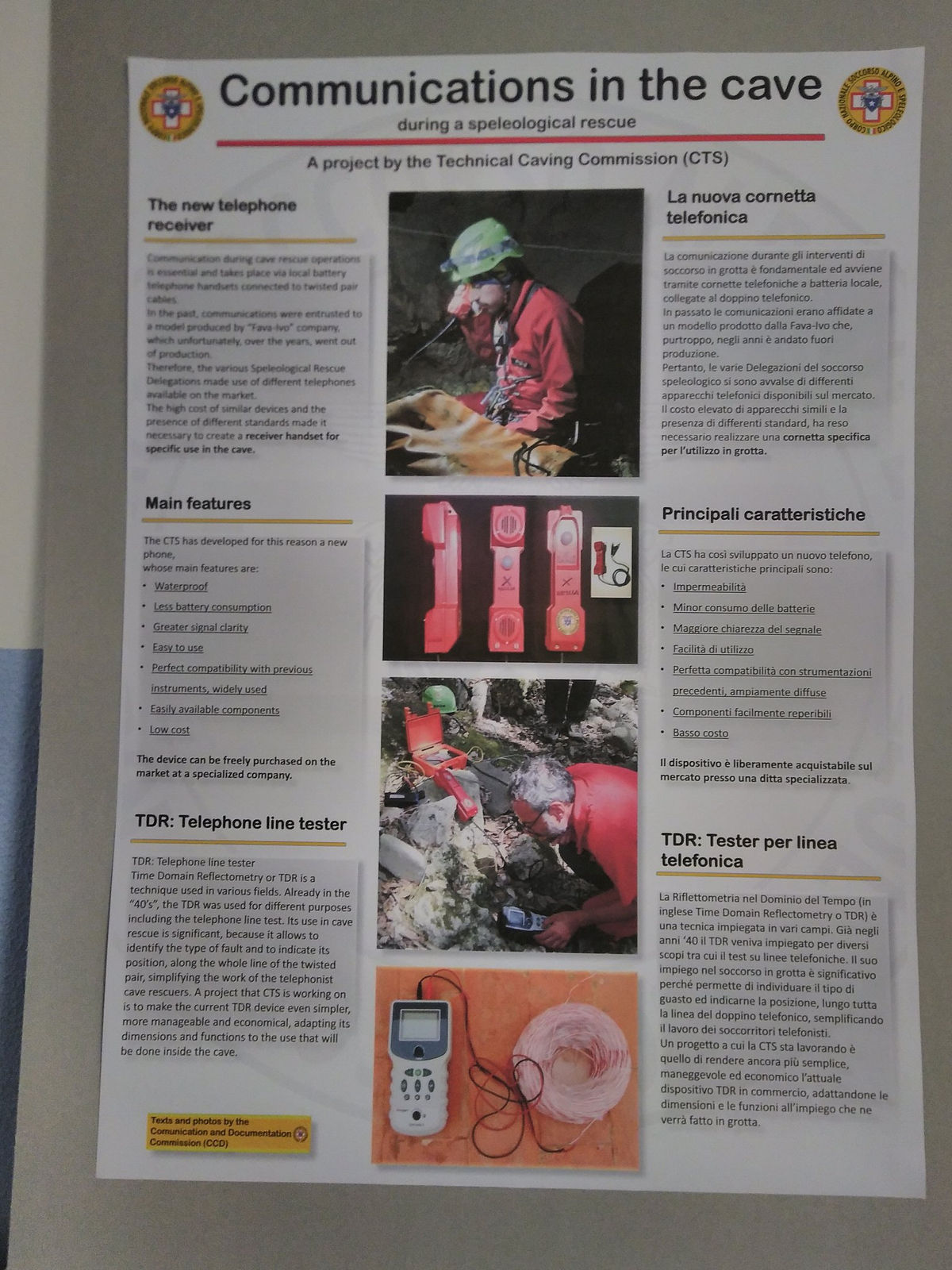
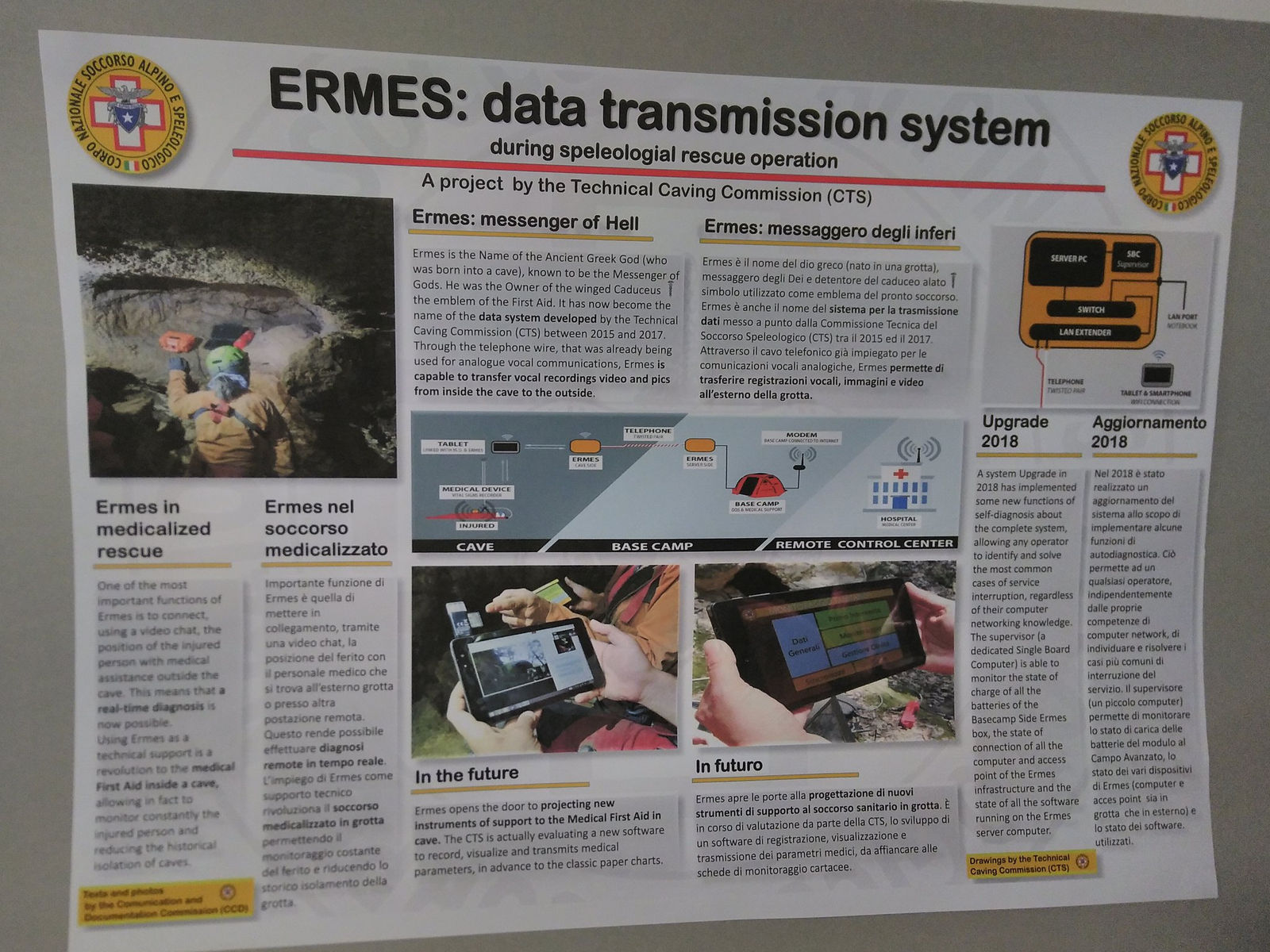
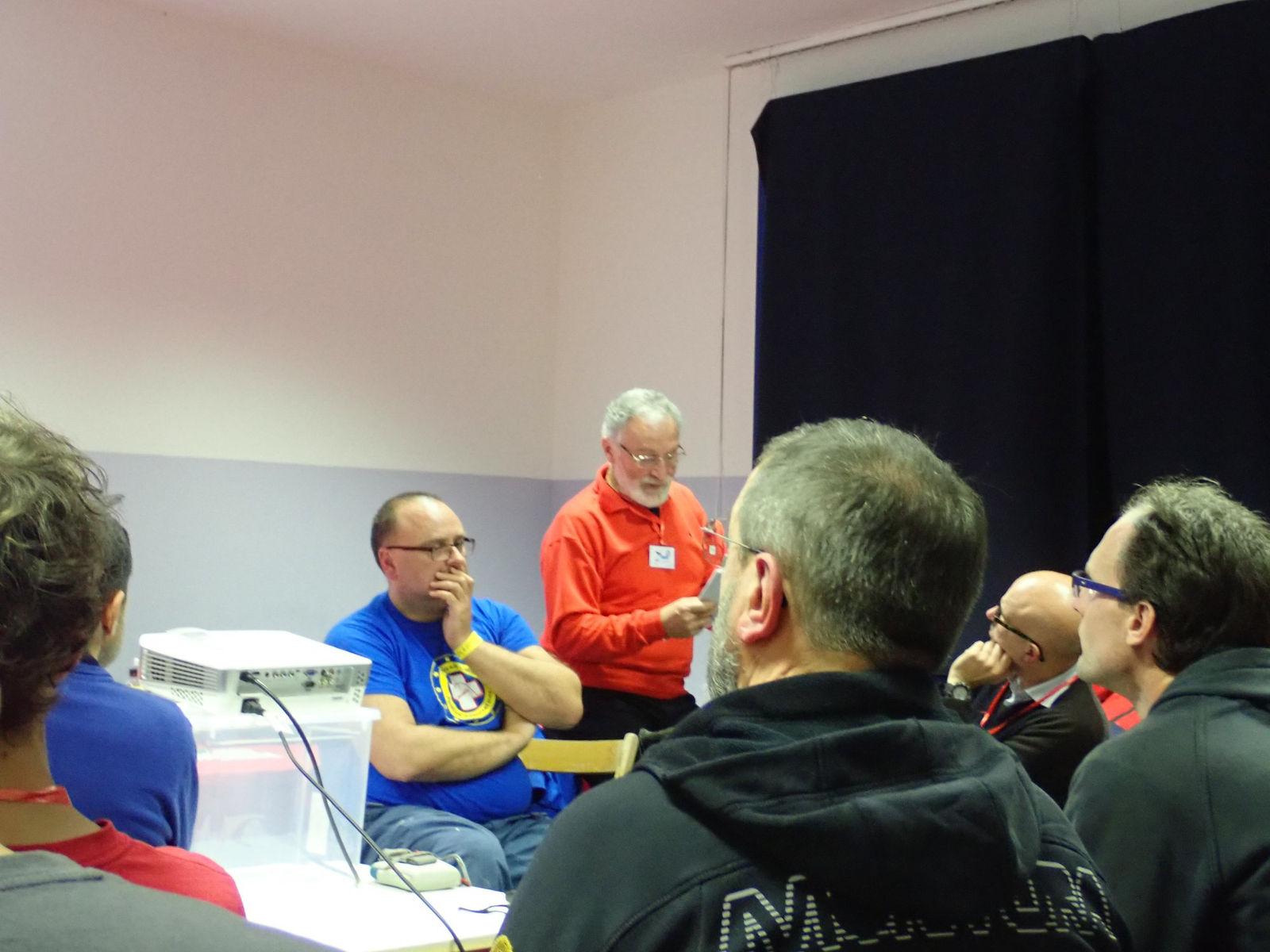
The ECRA conference included academic parts (for example, presenting new communication solutions for cave rescue cases), various workshops (hauling systems), various reviews (underwater rescues) and the screening of a film about the rescue in Thailand. At the end of the conference the general assembly was held, in which an annual summary of ECRA was presented. The new members of the organization were also presented there - us, who had already submitted all the registration documents, and the Poles who want to be members but have not yet finished the registration process. When I was asked to present our club, I said that we are a young club with a lot of motivation to learn and that in the future we hope we can also contribute, and the feedback I got was very positive; everyone seemed to have a very positive approach to contribute and help this fledgling spread its wings. A vote was held on whether to accept us into ECRA; the chair of the club (I think from Croatia) noted that he strongly recommends accepting us. There were no objections except one person who said that Israel is not part of Europe and that this might cause problems with the European Union, but it was clarified that this would not be a problem. Everyone voted in favor, applauded us and gave us as a gift the rescue book and also a T-shirt, which we can also share in weekly rotations if we want. At the end of the general assembly the Italian turned to me and told me that he had seen a great many small clubs that with the right approach and motivation reached very high levels, and many people came up to me and wanted to hear a little more about us.
In a few words, about what ECRA does, as I understood from the year-summary presentation.
Besides each club holding its own various activities (not necessarily in the field of rescue. As I understand it, most of the clubs that are members of ECRA are general caving clubs, and there are also the Poles who represent two different rescue units), ECRA operates both as a classic cooperation body between its members (sharing knowledge, cooperation, etc.); and as a body that unites the various clubs vis-à-vis international bodies. For example, in July this year when the boys got stuck in the cave in Thailand, the Thai government turned to the pioneering British organization, which involved ECRA, but very quickly the Thais closed up and decided that they wanted to carry out the rescue by themselves. There is more media exposure and approaches from the media to ECRA. There are also very bureaucratic processes with the European Union to recognize ECRA as an aid body in disaster cases, a process which as I understand ECRA began two years ago but is expected to take a long time yet.
In my opinion the connection with ECRA is amazing. It is an umbrella organization that unites many European caving clubs with a great desire to contribute, help and cooperate. Each club engages in a variety of activities - mapping, locating, exploring caves in a variety of regions and landscapes, in Europe and around the world. Besides the specific subject of rescue (which in my personal opinion is critical and it would be good to have more rescuers in Israel, certainly at the European level with all the equipment they have, etc.), there is an opportunity here to connect to a variety of professional caving clubs and to a variety of activities. More than that, instead of reinventing the wheel, ECRA can be used to help with building the club, which training courses to hold and how to build them, the structure of the club's activities, etc.
We also discussed where to hold the ECRA annual meeting next year. The intention is to hold the meeting in parallel with a local cavers' meeting (as this year in Italy), because it is much more fun and there are additional activities. We discussed August 2019 in Germany but the date is a bit problematic because it is the holiday season. Another suggestion was Turkey in October, and in any case it has not yet been decided. I think it would be very useful and also a lot of fun if we prepare in advance for next year's conference and can send a few people. The workshops also seem very good, and it seems that at least most of the people there are really great. You can also buy a lot of caving T-shirts there, including from previous years. Well done to Yoav for the connection with ECRA; it seems to me that amazing things can come of this if we know how to make proper use of it.